
A hair transplant without finasteride may be possible for selected patients, but the decision requires careful assessment of your hair loss and long-term expectations. Not taking finasteride does not automatically rule out surgery. Equally, a transplant does not stop the underlying process that can cause your remaining hair to thin.
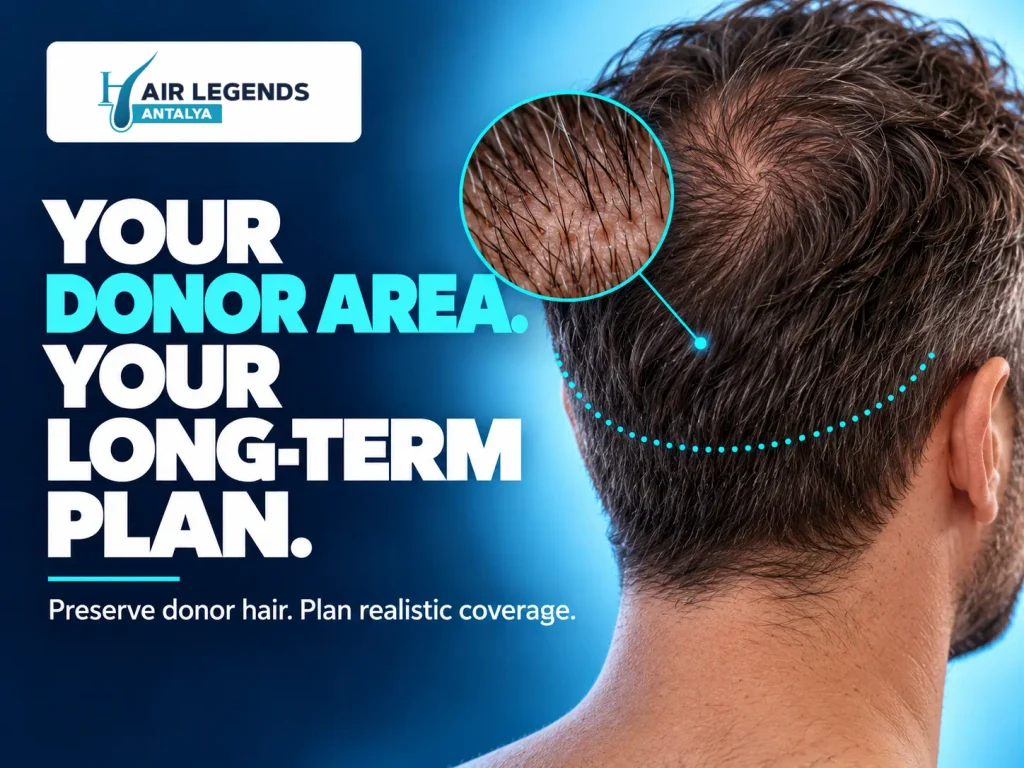
Perhaps you have experienced side effects, have been advised against using the medication, or want to understand your options before committing to long-term treatment. These concerns should be discussed openly during your consultation.
At Hair Legends Antalya, you can request a preliminary assessment and explain your medication history before making travel arrangements. The purpose is to establish whether surgery deserves further consideration, what improvement may be realistic and what limitations should be included in your plan.
Discuss your hair transplant options with Hair Legends
Can You Have a Hair Transplant Without Finasteride?
There is no single answer that applies to every patient. A recommendation depends on the cause and progression of your hair loss, the quality of your donor hair and the result you hope to achieve.
Hair transplantation moves follicles from a donor area to areas requiring additional coverage. Medication serves a different purpose: it may help manage continuing hair loss.
The American Academy of Dermatology explains that thinning can continue after a hair transplant, which is why doctors may recommend medication as part of the overall plan.
The consultation should therefore answer two separate questions:
- Can transplantation provide a worthwhile improvement now?
- How might the appearance change if your existing hair continues to thin?
A responsible recommendation considers both.
Why Do Doctors Discuss Finasteride Before Surgery?
Finasteride is a prescription treatment used for male pattern hair loss. It can help slow further thinning in suitable patients, although benefits and possible side effects need individual discussion.
For someone planning surgery, preserving existing hair may help maintain a more consistent appearance around the transplanted areas.
Imagine restoring a frontal hairline while the native hair immediately behind it continues to thin. The transplanted area may still grow, but the overall pattern of coverage can change.
This is why a hair transplant without finasteride should be discussed as a long-term planning decision, rather than simply removing a medicine from a package.
You can also read our guide to finasteride after a hair transplant and discuss the information with your prescribing clinician.
What Should Be Assessed Before Treatment?
Before recommending a hair transplant without finasteride, the doctor should understand your current hair loss and the reasons you are not taking the medication.
| Assessment | What the consultation should clarify |
|---|---|
| Hair-loss history | When did thinning begin, and how quickly has it changed? |
| Diagnosis | Is the loss hereditary, or could another condition be contributing? |
| Donor area | Is there sufficient suitable hair for the proposed treatment? |
| Existing coverage | How much native hair remains around the planned transplant? |
| Previous medication | What have you tried, and why was it stopped or avoided? |
| Expectations | What improvement would you consider worthwhile? |
| Future planning | How would further thinning affect the proposed result? |
Bring older photographs if you have them. Comparing images taken over time can help the clinician understand changes that a single photograph cannot show.
When Might a Doctor Recommend Waiting?
A doctor may recommend postponing surgery when hair loss is progressing rapidly, the diagnosis is uncertain or the proposed result would rely heavily on native hair that is already weakening.
Younger patients may need particular caution because the eventual extent of their hair loss can be difficult to predict. Age alone, however, does not determine suitability.
Published hair transplant practice guidelines emphasise counselling about ongoing medical management because androgenetic hair loss can continue after surgery.
If you cannot or do not wish to take a recommended medication, explain this before booking. The clinician can then discuss whether a modified plan, further assessment or postponement would be appropriate.
Donor Planning for a Hair Transplant Without Finasteride
The donor area is a limited resource. Planning should consider what may be needed beyond the first procedure.
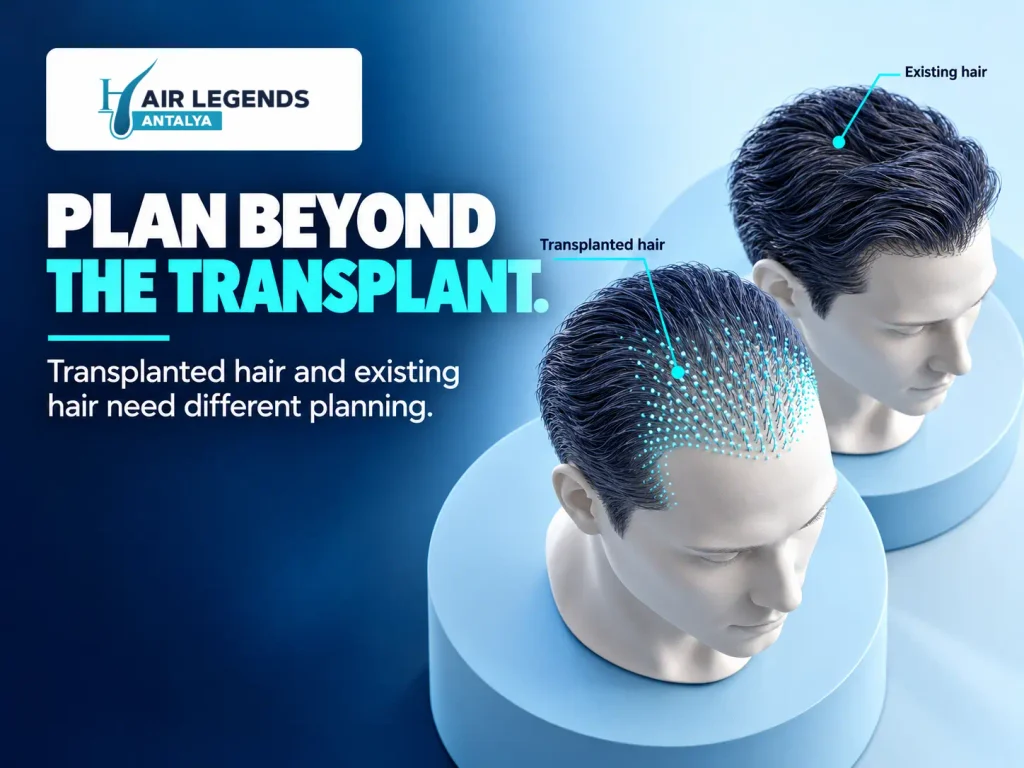
The International Society of Hair Restoration Surgery discusses preserving donor hair when future loss is anticipated. Family history and the speed of previous hair loss are among the factors considered.
For your consultation, ask:
- Which areas would receive priority?
- What is the reasoning behind the proposed graft estimate?
- How much suitable donor hair would remain?
- What could happen if the mid-scalp or crown becomes thinner later?
A large graft number does not answer these questions by itself. Our guide to donor area capacity and safe extraction explains why distribution and preservation matter.
How Should the Hairline Be Planned?
For a hair transplant without finasteride, discuss how the proposed hairline would look if further recession occurred behind it.
A consultation should address the height, shape and width of the hairline, along with the grafts required to create the intended coverage. An ambitious design may require more donor hair and leave fewer options for later changes.
Useful questions include:
- Why is this hairline position appropriate for me?
- Does the proposal account for my family history?
- Are the temples, frontal area and mid-scalp included?
- What compromises are needed to preserve future options?
You should understand the reasoning behind the design before agreeing to it.
Does DHI or Sapphire FUE Remove the Need for Medication?
Choosing a particular surgical technique does not resolve the question of ongoing hair-loss management.
FUE describes the extraction of individual follicular units. Sapphire FUE generally refers to using sapphire blades when creating recipient sites, while DHI generally refers to implantation using an implanter pen.
These methods concern how the procedure is performed. Medication decisions concern the diagnosis, ongoing hair loss, potential benefits and risks.
When comparing FUE hair transplantation in Antalya with DHI options, ask why a method is being recommended for your particular case. A technique label should not be presented as a guarantee that future thinning will stop.
What If You Have Experienced Finasteride Side Effects?
Tell the clinician what you experienced, when it started and whether you have already discussed it with your prescriber.
The UK’s Medicines and Healthcare products Regulatory Agency warns about psychiatric and sexual side effects, including reports of sexual symptoms persisting after treatment has stopped.
Do not restart medication solely to qualify for a transplant. Your concerns deserve an individual medical review.
The MHRA advises people taking finasteride 1 mg for hair loss to stop it and contact their doctor promptly if they develop depression or suicidal thoughts. For other side effects or medication changes, seek advice from the prescribing clinician.
Are There Alternatives to Finasteride?
Depending on the diagnosis and your medical history, a clinician may discuss other treatments, including minoxidil. An alternative treatment will have its own limitations, suitability criteria and potential side effects.
The American Academy of Dermatology’s hair-loss treatment guide explains why treatment selection depends on the cause of hair loss and the individual patient.
Choosing a hair transplant without finasteride does not necessarily mean choosing surgery without any ongoing management. However, you should not assume that supplements, PRP or another add-on offer equivalent protection against progressive hair loss.
Ask what each proposed treatment is intended to achieve and what evidence supports that use.
Hair Transplant Without Finasteride: Cost in Antalya
There is no separate universal price for a hair transplant without finasteride. Request a quotation based on your assessment, the proposed procedure and the package you actually require.
The written proposal should clarify:
| Item | What to check |
|---|---|
| Treatment areas | Hairline, frontal region, mid-scalp, crown or a combination |
| Graft estimate | The proposed range and how it was calculated |
| Clinical responsibilities | Who performs each stage and the doctor’s involvement |
| Package inclusions | Tests, medication, aftercare products and review appointments |
| Travel arrangements | Whether accommodation and transfers are included |
| Follow-up | How to contact the team after returning home |
| Changes to the plan | What happens if examination changes the recommendation |
For wider package questions, read our hair transplant cost guide.
If you already have accommodation, ask about hair transplant options in Antalya without a hotel.
Arranging an Assessment Before Travelling
Start by sending clear photographs of your hairline, top, crown, back and both sides of your head.
Include your age, when the hair loss started, previous procedures and any treatments you currently use. Explain whether you have never taken finasteride, stopped it on medical advice or experienced side effects.
This information helps make the preliminary discussion more useful. The final decision about surgery requires an in-person assessment.
Before booking flights, confirm your consultation, procedure date, postoperative review and recommended stay. Ask for the treatment proposal and package inclusions in writing.
Frequently Asked Questions
Will transplanted hair fall out if I do not take finasteride?
Not taking finasteride does not automatically mean transplanted hair will fail. However, your overall appearance also depends on the surrounding native hair and the suitability of the donor follicles. No individual outcome can be guaranteed.
Can I stop finasteride once my transplant is complete?
Do not assume surgery removes the reason it was prescribed. Discuss stopping with your prescriber: hair maintained by medication may be lost after treatment is discontinued.
Is a second procedure guaranteed to solve future thinning?
No. A future procedure depends on remaining donor hair, health, the extent of loss and realistic expectations. You can read about second hair transplant assessment in Antalya if you have already undergone surgery.
Can I receive a guaranteed result without medication?
A clinic cannot responsibly guarantee how your native hair will behave over time. Ask for a clear explanation of the proposed improvement, limitations and follow-up arrangements.
Discuss Your Options with Hair Legends Antalya
If you are considering a hair transplant without finasteride, explain your preferences and medical history at the beginning of the process.
Hair Legends Antalya can help arrange a preliminary review and a consultation focused on your donor area, treatment priorities and long-term expectations.