
Understanding How Hair Transplants Work
Hair transplants are among the most effective permanent solutions for hair loss, but many patients preparing for the procedure wonder if their hair color will change afterward. This is a valid concern, especially for people who dye their hair regularly, those with naturally unique shades, or individuals already noticing signs of graying.
To understand whether hair color changes after a transplant, it’s important to first review how the procedure itself works. The most commonly used techniques today are FUE (Follicular Unit Extraction) and DHI (Direct Hair Implantation). In both methods, healthy hair follicles are harvested from a donor area usually the back or sides of the scalp where hair is genetically resistant to balding and then implanted into thinning or bald areas.
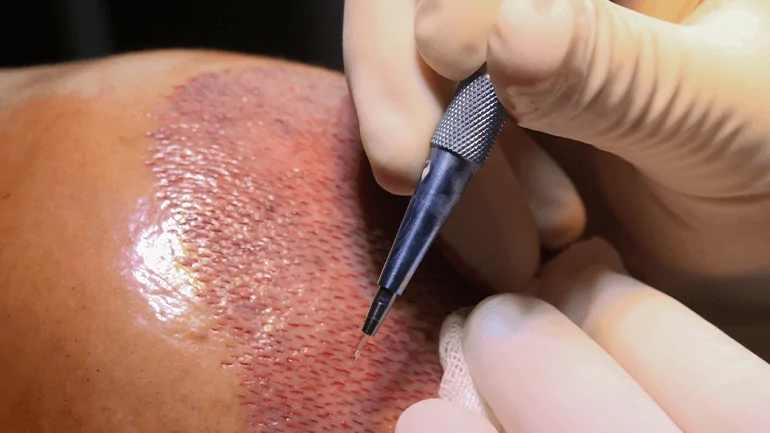
The transplanted follicles are your own natural hair. That means they retain their genetic coding, including thickness, curl pattern, and most importantly, color. If your donor area is dark brown, the transplanted hair will also grow out dark brown. Similarly, if you have blonde or black hair, the transplanted strands will match your existing natural tone.
Clinics in medical tourism hubs like Antalya, Turkey, emphasize that color consistency is one of the most reassuring aspects of transplantation. Patients can rest easy knowing that their new hair will not suddenly grow out in a completely different shade.
Will My Hair Transplant Blend with My Natural Hair Color?
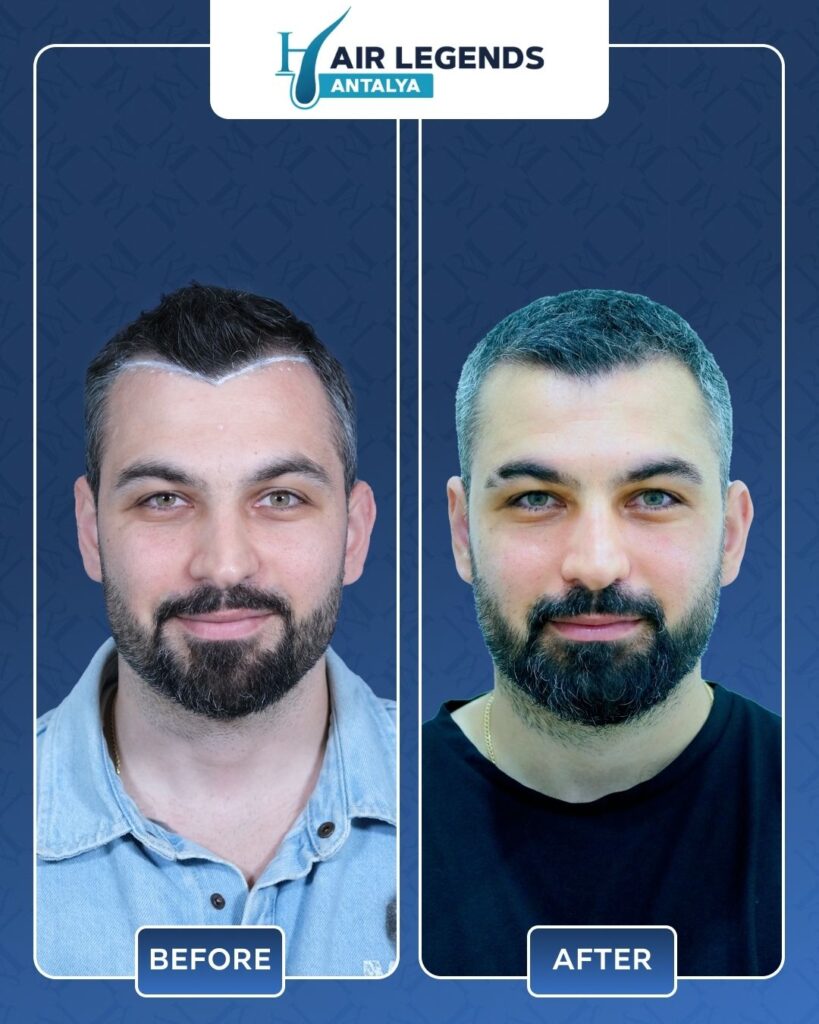
The blending of transplanted hair with natural strands is a key factor for achieving a natural look. At experienced clinics, like many of the well-established hair transplant centers in Antalya, doctors carefully select donor grafts to ensure the color, density, and texture align with your existing hair.
However, some patients notice slight visual differences during the first months after their procedure. This does not mean the hair color has truly changed. Instead, it usually relates to:
- Immature growth: Newly transplanted hair often appears thinner, lighter, or fuzzier in the beginning. As the follicle matures, the hair thickens and darkens to its natural shade.
- Shock loss recovery: The shedding phase can sometimes make the regrown hair look temporarily different from the rest. Within 6–12 months, this balances out.
- Lighting perception: Fresh growth may reflect light differently than mature strands, creating an illusion of different tones.
Ultimately, when performed by skilled surgeons—particularly in Antalya, which has a global reputation for high-quality transplants your procedure should blend seamlessly with your natural hair color.
Can Stress or Medication Alter Hair Color?
While a hair transplant itself does not alter the natural pigment of your hair, other factors in life may cause changes in hair color:
- Stress – High stress levels have been linked to premature graying. If you undergo surgery while under intense stress, you might mistakenly attribute natural graying to the transplant.
- Medications – Some medicines, including chemotherapy drugs or certain antibiotics, can alter pigmentation. If you’re on medication after your transplant, you might see changes unrelated to the surgery.
- Nutritional deficiencies – Lack of vitamins like B12 or minerals such as copper may lead to duller or lighter hair.
These influences affect both transplanted and non-transplanted hair equally. That means your hair transplant in Antalya will follow the same biological rules as your native strands.
What About Graying Hair?

Many patients undergoing hair transplants are in their 30s, 40s, or 50s an age range when graying naturally begins. If your donor hair already contains some gray strands, those same hairs will appear in your transplanted area.
The important thing to understand is that hair transplant surgery does not speed up or slow down the graying process. Your transplanted follicles will gray at the same rate as your non-transplanted ones.
For patients concerned about visible gray patches, Antalya clinics often provide additional cosmetic guidance:
- You can safely dye your transplanted hair once healing is complete (usually after 6–8 weeks).
- Semi-permanent or ammonia-free dyes are often recommended initially.
- Routine coloring treatments can keep a consistent look across transplanted and native hair.
Before and After Hair Transplant Hair Color Comparison
Patients sometimes compare their before and after photos and assume their hair has changed color. In most cases, this is due to external conditions rather than biological change.
- Lighting differences in clinic photography can exaggerate shades.
- Short vs. long hair reflects color differently.
- Fresh growth often appears shinier and lighter than mature strands.
When undergoing a hair transplant in Antalya, clinics typically document progress with professional photography, making it easier to distinguish between genuine hair changes and visual perception effects.
Does Hair Color Change Differently in Women?
Women considering hair transplantation in Antalya often ask if the process impacts hair color differently than in men. The answer is no—the principle remains the same.
Women’s donor follicles carry the same genetic color information as men’s. However, because women often undergo smaller-scale procedures (such as filling in thinning areas around the hairline or crown), any mismatch might appear more noticeable if there are strong highlights, balayage, or previously dyed sections.
That’s why Antalya hair transplant specialists usually advise women to avoid chemical coloring immediately before and after surgery, allowing the natural donor color to settle and blend.
Afro Hair and Color Concerns
Patients with Afro-textured hair often worry about color and texture consistency after a transplant. Fortunately, the same principle applies: transplanted hair maintains its natural curl pattern and pigment.
In Afro hair, what patients sometimes perceive as a color change is often due to the new growth being shorter and curlier, which makes it look darker or lighter depending on the angle. Clinics in Antalya with Afro hair transplant experience ensure grafts are handled delicately, preserving both follicle health and pigment stability.
Hair Texture vs Color: What Really Changes?
It’s common for patients to confuse texture changes with color changes. After transplantation, hair may initially grow back finer, straighter, or curlier than expected. This phase is temporary. Over 12–18 months, transplanted hair stabilizes into its natural texture.
Color, on the other hand, rarely changes unless influenced by external factors like age, stress, or chemical treatments. The donor follicle’s DNA determines the shade permanently.
Hair Transplant in Antalya
Antalya has become one of the world’s leading destinations for medical tourism, and hair transplants are among its top procedures. Patients from the UK, Europe, and the Middle East travel here not only for affordable pricing but also for world class medical standards.
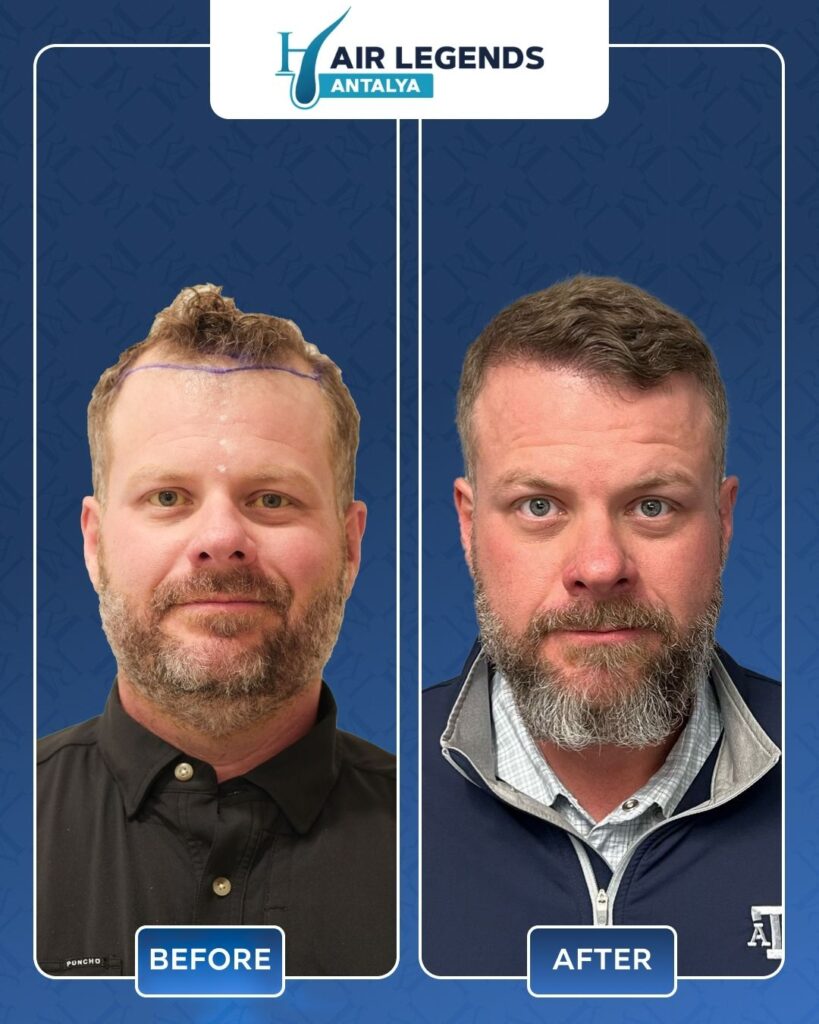
When it comes to concerns about hair color after a transplant, Antalya clinics excel in:
- Detailed pre-consultations to match donor and recipient areas carefully.
- Experienced surgeons who understand blending for different hair types and ethnicities.
- Advanced techniques like Sapphire FUE and DHI, which minimize trauma and preserve follicle health.
- Comprehensive aftercare, including advice on dyeing, cosmetic maintenance, and scalp health.
By choosing Antalya, patients ensure their transplant grows in naturally, both in texture and color.
The Role of Hair Dye and Cosmetic Products
For many patients, dyeing is part of their regular grooming routine. The good news is that transplanted hair can be dyed just like your natural hair because it is your natural hair.
Some guidelines:
- Wait at least 6–8 weeks post-surgery before applying hair dye.
- Use gentle, sulfate-free products to avoid scalp irritation.
- Consider professional salon coloring for the first session after surgery.
- If you had highlights, balayage, or bleached sections before surgery, wait until full healing before reintroducing those treatments.
Clinics in Antalya often provide tailored cosmetic aftercare plans for patients who regularly color their hair.
Hair Transplant Results Over Time
Your transplanted hair will go through several stages:
- Initial shedding phase (2–6 weeks): Temporary shedding makes the hair appear thinner.
- Early growth phase (3–6 months): Thin, lighter hairs appear, sometimes looking different from the rest.
- Maturation phase (6–12 months): Hair thickens, darkens, and takes on its final natural color.
- Final results (12–18 months): The transplanted hair is indistinguishable from the rest in both color and texture.
In Antalya, clinics monitor patients through follow-up appointments and provide guidance throughout these phases, ensuring color consistency is achieved.
Conclusion
So, does hair color change after hair transplant? The straightforward answer is no your transplanted hair will always maintain the natural shade dictated by your donor follicles. What patients often perceive as color change is usually due to factors such as early growth texture, lighting, stress, medications, or natural graying.
Both men and women can rest assured that their new hair will blend with their natural tone, whether they have straight, wavy, or Afro-textured hair. Even if you regularly dye your hair, transplanted follicles respond to coloring products just like your existing strands.
For patients seeking world-class expertise with affordable packages, Antalya remains one of the best global destinations for hair transplants. Not only do clinics here prioritize natural results, but they also provide extensive aftercare guidance ensuring your hair color, texture, and overall appearance remain harmonious long after your procedure.
If you’re considering a hair transplant and want reassurance about how your results will look, Antalya clinics like Hair Legends can guide you step by step, offering proven expertise, advanced techniques, and personalized care.