
Learn why Doctor Hair Transplant in Antalya is gaining popularity and how direct doctor involvement can improve natural results.: If you have been researching hair transplant options in Turkey, you have probably noticed that many clinics advertise similar promises: natural results, thousands of grafts, and affordable packages. At first glance, they can all seem quite similar.
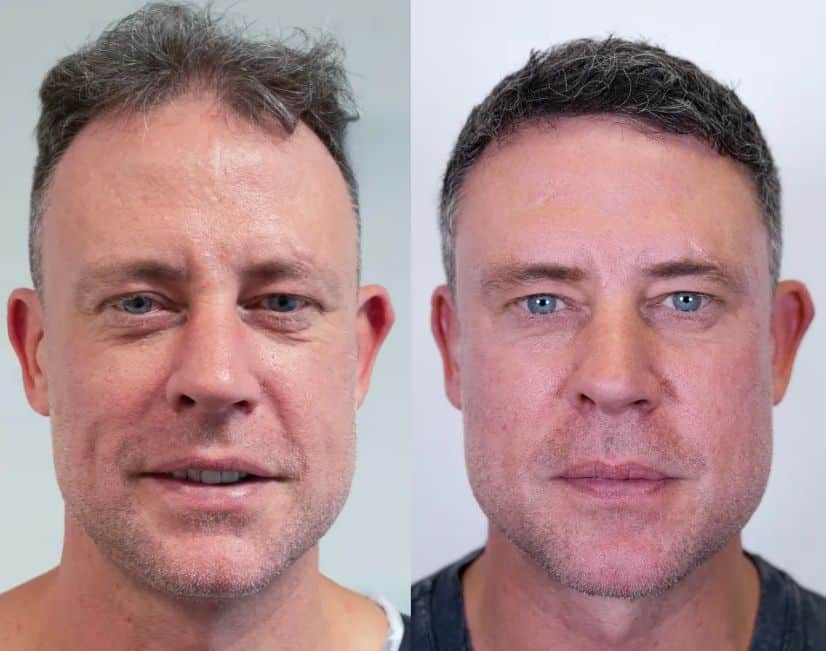
However, one factor often separates an average result from an exceptional one: doctor involvement.
Many international patients are surprised to learn that in some clinics, the surgeon’s role may be limited to a brief consultation before technicians perform most of the procedure. While technicians are an important part of any hair transplant team, the level of direct doctor participation can significantly influence the final outcome.
This is particularly important when it comes to critical stages such as hairline design, donor area management, graft extraction planning, and overall surgical strategy. These decisions require medical expertise, artistic judgment, and years of experience.
As Hair Transplant Antalya continues to attract patients from the UK, Europe, and beyond, more people are asking an important question:
Who will actually perform my hair transplant?
The answer matters more than many patients initially realize.
A hair transplant is not simply a technical procedure where grafts are moved from one area to another. Every patient has a different facial structure, hair type, donor capacity, and pattern of hair loss. Creating a natural result requires careful planning that goes far beyond counting grafts.
This is one reason why doctor-led hair transplant clinics in Antalya have become increasingly popular among patients seeking long-term, natural-looking results rather than simply the lowest possible price.

Before choosing a clinic, it is important to understand exactly what doctor involvement means, why it affects outcomes, and how it can influence the appearance of your hair for years to come.
The Rise of Doctor-Led Hair Transplants in Antalya
Not long ago, most patients researching hair transplants focused on a few simple questions: How much does it cost? How many grafts will I need? What will the final result look like?
Today, the conversation has changed.
More patients are paying attention to something that was often overlooked in the past: who is actually performing the procedure?
As Antalya continues to grow as one of Turkey’s leading destinations for hair restoration, international patients are becoming increasingly selective about where they go and who they trust. Rather than comparing clinics based solely on price, many now want to understand how involved the doctor will be throughout the process.
This shift is not surprising. Hair transplantation has become more advanced, patient expectations are higher, and people have access to more information than ever before. A quick search online reveals countless stories from patients who achieved excellent results, as well as others who were disappointed because they later discovered that the surgeon had very little involvement in their procedure.
Why Patients Are Asking Who Performs the Procedure
One of the most common questions patients ask during consultations today is surprisingly simple:
“Will the doctor actually perform my hair transplant?”
A decade ago, many patients did not know enough about the process to ask this question. They assumed that because they were booking surgery at a medical clinic, the doctor would naturally be responsible for most of the procedure.
However, the hair transplant industry has evolved significantly. Patients now spend weeks, and sometimes months, researching clinics, reading reviews, watching recovery videos, and comparing real patient experiences. Along the way, many discover that the level of doctor involvement can vary dramatically from one clinic to another.
In some clinics, the surgeon may personally assess the patient, design the hairline, oversee the extraction process, and supervise implantation. In others, the doctor’s role may be limited to a brief consultation while much of the procedure is carried out by technicians.
As awareness grows, patients have become far more interested in understanding exactly who will be responsible for their treatment.
The Difference Between Clinics and Doctors
This is where many patients become confused.
A clinic and a doctor are not the same thing.
When people browse websites or social media pages, they often see impressive before-and-after photos, luxury facilities, and attractive package offers. While these factors can be important, they do not necessarily reveal who is performing the most critical parts of the procedure.
A clinic is a business. A doctor is the medical professional responsible for diagnosis, planning, and surgical decision-making.
The quality of a clinic can certainly contribute to the patient experience, but the skill, experience, and involvement of the doctor often play a major role in determining the final outcome. Hairline design, donor area management, graft distribution, and long-term planning all require clinical judgment that cannot be replaced by marketing materials or modern facilities alone.
This distinction is one reason why many patients specifically search for doctor-led hair transplant clinics in Antalya rather than simply looking for the cheapest available package.
Why Doctor Involvement Became a Major Concern
The growing focus on doctor involvement did not happen by accident.
As hair transplant tourism expanded, patients began sharing their experiences more openly through online forums, review platforms, and social media communities. These discussions highlighted a significant difference between clinics where doctors remained actively involved and clinics where procedures were largely delegated.
Many patients realized that successful hair transplantation is not simply about moving grafts from one area of the scalp to another. Every patient has unique facial proportions, hair characteristics, donor limitations, and future hair loss patterns. Achieving a natural result requires careful planning and medical expertise at every stage.
At the same time, stories of overharvested donor areas, unnatural hairlines, and disappointing density results raised awareness about the risks of choosing a clinic based solely on price.
As a result, doctor-led hair transplants have become increasingly sought after, particularly among patients traveling from the UK and other European countries. Many now view direct doctor involvement not as a luxury, but as an important factor that can influence the quality, safety, and longevity of their results.
In Antalya, this trend has helped drive demand for clinics that prioritize personalized treatment, detailed planning, and active medical supervision throughout the entire patient journey.
What Is a Doctor Hair Transplant?
The term “doctor hair transplant” has become increasingly popular in recent years, especially among patients researching clinics in Turkey. While almost every clinic advertises professional results, the reality is that the level of doctor involvement can vary significantly from one provider to another.
For many patients, this distinction only becomes clear after they begin comparing clinics in detail. Two clinics may offer similar prices, similar graft numbers, and even similar package inclusions, yet the actual procedure can be performed very differently.
Understanding what a doctor-led hair transplant involves is essential for anyone seeking natural, long-lasting results.
Doctor-Led vs Technician-Led Procedures
A doctor-led hair transplant is exactly what the name suggests: the surgeon takes an active role throughout the procedure rather than simply overseeing the process from a distance.
In a doctor-led approach, the physician is directly involved in the most critical stages of treatment. This typically includes evaluating the patient’s hair loss pattern, planning the procedure, designing the hairline, managing the donor area, and making key surgical decisions during the operation.
By contrast, some high-volume clinics rely heavily on technicians to perform large portions of the procedure. While experienced technicians play an important role within any hair transplant team, they do not replace the medical expertise and decision-making abilities of a qualified doctor.
This difference becomes particularly important when unexpected challenges arise during surgery. An experienced physician can adapt the treatment plan based on donor quality, graft characteristics, scalp condition, and long-term hair loss projections.
For patients considering a Hair Transplant Antalya procedure, understanding who will be performing each stage of the operation is often just as important as comparing prices or graft numbers.
Which Stages Should a Doctor Perform?
There is often debate within the industry regarding how much involvement a doctor should have during a hair transplant. However, most experienced professionals agree that certain stages require direct medical oversight.
The consultation is one of the most important. This is where the doctor assesses hair loss progression, donor capacity, scalp health, and long-term expectations.
Hairline design is another critical stage that benefits greatly from physician involvement. A natural hairline is not created by following a standard template. It must be tailored to the patient’s facial structure, age, ethnicity, and future hair loss pattern.
Donor area planning is equally important. Every patient has a limited number of grafts available for transplantation. Poor donor management can lead to visible thinning, overharvesting, and difficulties if future procedures become necessary.
Many patients are surprised to learn that a successful hair transplant is often determined by decisions made before a single graft is extracted. These decisions require clinical judgment and experience that cannot be automated or standardized.
Understanding Legal and Ethical Standards
Hair transplantation operates under different regulations depending on the country and healthcare system involved. Because of this, the level of doctor participation may vary between clinics and regions.
Ethically, most patients expect the surgeon whose name appears on the clinic website to play a meaningful role in their treatment. Transparency has therefore become increasingly important within the industry.
Patients today are more informed than ever before. They ask detailed questions about who performs the extraction, who designs the hairline, and who oversees implantation. Clinics that provide clear answers tend to build greater trust with prospective patients.
As the hair transplant industry continues to evolve, doctor involvement has become one of the most important indicators of quality for many international patients seeking treatment in Antalya and throughout Turkey.
Why Doctor Involvement Matters in Hair Transplant Surgery
Hair transplantation is often described as both a medical procedure and an artistic process. While graft extraction and implantation require technical skill, achieving a natural result also depends on planning, judgment, and experience.
This is where doctor involvement can make a significant difference.
The success of a hair transplant is not determined solely by the number of grafts transplanted. Factors such as hairline placement, donor preservation, density distribution, and long-term planning often have a greater impact on the final outcome.
Hairline Design and Facial Aesthetics
Hairline design is arguably the most important part of any hair transplant procedure.
A poorly designed hairline can look unnatural regardless of how many grafts are implanted. On the other hand, a well-designed hairline can create a natural appearance even with a relatively modest number of grafts.
Every face is different. Age, forehead size, facial proportions, and future hair loss risk all influence where the hairline should be placed.
Experienced doctors understand that creating a youthful-looking hairline is not always the goal. In many cases, a mature and age-appropriate hairline produces the most natural result.
This type of individualized planning is one reason why many patients actively seek doctor-led Hair Transplant Antalya clinics.
Donor Area Management
The donor area is often referred to as a patient’s hair bank.
Unlike transplanted grafts, donor resources are limited. Once grafts are removed, they cannot be replaced.
A doctor must carefully determine how many grafts can be extracted safely without creating visible thinning or compromising future treatment options.
Poor donor management can have long-term consequences. Overharvesting may leave patchy areas that become noticeable when the hair is cut short. It can also reduce the number of grafts available if additional procedures are required later in life.
Protecting the donor area is therefore just as important as restoring the recipient area.
Natural Density Planning
Many patients focus on one number when researching hair transplants: graft count.
While graft numbers matter, density planning is often more important.
A skilled doctor understands where density creates the greatest visual impact. Rather than distributing grafts evenly across the scalp, experienced surgeons strategically concentrate grafts in areas that frame the face and create the illusion of fuller coverage.
This approach often produces better cosmetic results while preserving valuable donor resources.
Natural density planning requires an understanding of hair characteristics, scalp contrast, hair calibre, and growth direction. These are factors that influence how dense the final result will appear after full growth has occurred.
Long-Term Hair Restoration Strategy
Hair loss is usually progressive.
This means that a hair transplant should never be planned solely for how it will look six months after surgery. The procedure should also account for how the patient’s hair may change over the next five, ten, or even twenty years.
Experienced doctors think long term.
They consider future hair loss patterns, donor preservation, possible medication use, and the likelihood of additional treatments later in life.
Without a long-term strategy, patients may achieve a good short-term result only to face aesthetic challenges years later as surrounding native hair continues to thin.
For this reason, many of the best outcomes are achieved when hair restoration is viewed as a long-term medical plan rather than a one-day cosmetic procedure.
Doctor involvement helps ensure that every decision made today continues to support natural-looking results well into the future.
Who Actually Performs Hair Transplants in Many Clinics?
One of the biggest surprises for international patients is discovering that the person they speak with during a consultation is not always the person performing the procedure.
Most clinic websites naturally highlight their doctors, qualifications, and success stories. However, what happens on the day of surgery can vary considerably from one clinic to another.
For this reason, patients should never assume that a doctor’s name on a website automatically means the doctor will personally carry out every stage of the hair transplant.
Understanding how different clinics operate can help patients make more informed decisions and avoid unpleasant surprises.
The Reality of High-Volume Hair Clinics
Turkey’s reputation as a global leader in hair transplantation has attracted hundreds of thousands of international patients over the years. As demand increased, some clinics adapted by significantly increasing the number of procedures performed each day.
In high-volume clinics, it is not unusual for multiple surgeries to take place simultaneously. While this model allows clinics to treat a large number of patients, it can also reduce the amount of time a doctor spends with each individual patient.
Some facilities may schedule several procedures on the same day, making it difficult for a single physician to remain actively involved throughout every stage of every operation.
This does not automatically mean the quality of treatment will be poor. However, it does highlight why patients should ask specific questions about who will perform the extraction, who will create the recipient sites, and who will supervise the implantation process.
Many experienced patients now look beyond marketing materials and focus on understanding how the clinic actually operates behind the scenes.
Common Technician-Only Models
Within the hair transplant industry, there are clinics where technicians carry out a significant portion of the procedure.
Typically, the doctor may conduct a brief consultation, assess the patient, and mark the hairline before the surgical team takes over.
In some cases, technicians may be responsible for graft extraction, implantation, or both.
Support staff play an important role in modern hair transplantation, and experienced technicians can contribute significantly to procedural efficiency. However, there is a substantial difference between working under direct medical supervision and operating with minimal physician involvement.
This distinction is one of the reasons why the term “doctor-led hair transplant” has become increasingly important among international patients researching Hair Transplant Antalya clinics.
Patients today are not only asking about graft numbers and package prices. They are asking who will be performing each stage of the procedure and how much direct involvement the doctor will have throughout the day.
Risks of Minimal Doctor Involvement
Hair transplantation may appear straightforward on the surface, but many important decisions are made during the procedure itself.
Factors such as graft selection, donor preservation, extraction patterns, recipient site planning, and density distribution often require clinical judgment and experience.
When doctor involvement is limited, certain risks may increase.
Poor donor management can lead to overharvesting, leaving visible thinning in the donor area. Inaccurate hairline design can create results that appear unnatural or inappropriate as the patient ages. Uneven graft distribution may affect density and overall aesthetic balance.
Another concern involves long-term planning. Hair loss is usually progressive, meaning decisions made today can affect future treatment possibilities years later.
Patients should therefore understand not only who performs the procedure but also who is responsible for making the key medical and aesthetic decisions throughout the process.
Is It Legal for Technicians to Perform Hair Transplants?
This is one of the most frequently asked questions among international patients considering treatment abroad.
The answer is not always straightforward because medical regulations vary between countries and healthcare systems. What may be permitted in one jurisdiction could be restricted in another.
For this reason, patients should focus not only on legal requirements but also on the level of medical supervision provided throughout their treatment.
Medical Regulations in Turkey
Turkey has developed a comprehensive medical tourism sector and remains one of the most popular destinations worldwide for hair transplantation.
Hair transplant procedures are performed within licensed medical facilities that operate under healthcare regulations established by Turkish authorities.
Like many medical fields, hair transplantation involves both physicians and supporting healthcare personnel working together as part of a treatment team.
However, the precise responsibilities of each team member can vary depending on the clinic structure, treatment protocol, and regulatory requirements in place at the time of treatment.
This is one reason why patients should ask clinics directly about their procedural workflow rather than assuming that all facilities operate in the same way.
Doctor Responsibilities During Surgery
Regardless of clinic size or treatment model, the physician carries important medical responsibilities throughout the patient journey.
These responsibilities generally include patient assessment, diagnosis, treatment planning, hairline design, donor evaluation, and overall supervision of the procedure.
A qualified doctor is also responsible for ensuring that the treatment plan is appropriate for the patient’s level of hair loss, donor capacity, and long-term goals.
Many experienced hair restoration specialists believe that doctor involvement is particularly valuable during stages that require aesthetic judgment and medical decision-making.
For patients seeking natural-looking results, these decisions often have a greater impact on the final outcome than the number of grafts transplanted.
What International Patients Should Know
Patients traveling from the UK, Europe, or North America often arrive with assumptions based on how procedures are typically performed in their home countries.
Because clinic models can differ internationally, it is important to ask detailed questions before booking treatment.
Some useful questions include:
- Who designs the hairline?
- Who performs the graft extraction?
- Who creates the recipient sites?
- How many procedures does the clinic perform daily?
- How much time will the doctor spend with me during surgery?
Transparent clinics are usually happy to answer these questions clearly.
Ultimately, patients should focus less on marketing slogans and more on understanding the level of medical involvement they can expect. A successful hair transplant depends not only on technology or graft numbers but also on the expertise, planning, and oversight behind every stage of the procedure.
For many patients researching Hair Transplant Antalya options, this understanding has become one of the most important factors when choosing a clinic.
The Risks of a Technician-Led Hair Transplant
Not every technician-led procedure results in a poor outcome. Many experienced technicians are highly skilled and play an important role within a hair transplant team. The concern arises when critical medical and aesthetic decisions are made without sufficient doctor involvement.
A hair transplant is more than simply moving grafts from one part of the scalp to another. Every patient has unique hair characteristics, facial proportions, donor limitations, and future hair loss patterns. When these factors are not carefully evaluated by an experienced physician, the risk of unsatisfactory results increases significantly.
This is one reason why more patients searching for a Hair Transplant Antalya procedure now ask detailed questions about who performs each stage of the surgery.
Unnatural Hairline Design
The hairline is usually the first thing people notice after a hair transplant.
A well-designed hairline should complement the patient’s age, facial structure, and long-term hair loss progression. It should look natural not only immediately after surgery but also years later.
One of the most common problems seen in poorly planned procedures is an overly aggressive hairline. Some clinics lower the hairline too much in an attempt to create an instantly dramatic transformation. While this may look appealing in the short term, it can appear unnatural as the patient ages.
Straight, symmetrical hairlines are another common issue. Natural hairlines typically contain subtle irregularities and soft transitions that create a realistic appearance.
Because hairline design combines both medical knowledge and artistic judgment, many patients prefer clinics where doctors remain actively involved in this stage of planning.
Donor Area Overharvesting
The donor area is a limited resource.
Every graft removed from the back and sides of the scalp reduces the number available for future procedures. This is why donor management is considered one of the most important aspects of hair transplantation.
Overharvesting occurs when too many grafts are extracted from a concentrated area. This can leave visible thinning, patchiness, or an unnatural appearance, particularly when the patient wears shorter hairstyles.
Unfortunately, donor damage is often difficult to correct.
An experienced doctor understands how to distribute extractions evenly, preserve donor density, and maintain options for future treatment if additional hair loss occurs.
Patients often focus heavily on the recipient area, but protecting the donor region is equally important for achieving a successful long-term outcome.
Poor Graft Survival Rates
A hair transplant’s success depends heavily on graft survival.
Once grafts are extracted, they become delicate biological structures that require careful handling. Every stage of the process, from extraction to implantation, can influence whether the grafts successfully grow after surgery.
Poor handling techniques may increase graft trauma and reduce survival rates.
When graft survival is compromised, patients may experience lower density than expected, uneven growth patterns, or disappointing overall results.
This can be frustrating because the patient has already invested significant time, money, and donor resources into the procedure.
Doctor-led clinics often place considerable emphasis on graft preservation protocols, extraction quality, and implantation planning to maximize the chances of successful growth.
Difficult and Expensive Repair Procedures
One of the biggest misconceptions in hair transplantation is that every poor result can be easily fixed.
In reality, repair procedures are often more complex than the original surgery.
Correcting an unnatural hairline, restoring an overharvested donor area, or improving low-density results usually requires advanced planning and additional donor resources. In some cases, the amount of available donor hair may already be limited.
Repair procedures can also be significantly more expensive than getting the treatment right the first time.
For this reason, many patients view doctor involvement as an investment rather than an additional expense. Choosing a clinic that prioritizes planning and medical oversight from the beginning may reduce the risk of needing corrective procedures later.
What Parts of a Hair Transplant Should a Doctor Perform?
While different clinics may structure procedures differently, there are certain stages where physician involvement is particularly valuable.
These stages directly influence both the aesthetic quality and long-term success of the transplant.
Consultation and Assessment
Everything begins with the consultation.
This is where the doctor evaluates the patient’s hair loss pattern, donor area quality, scalp condition, family history, and treatment goals.
A thorough assessment helps determine whether the patient is a suitable candidate and what type of result can realistically be achieved.
This stage also allows the doctor to identify potential limitations before the procedure takes place.
Without proper assessment, treatment plans may be based on unrealistic expectations rather than medical reality.
Hairline Planning
Hairline design is often considered the artistic foundation of a successful hair transplant.
A few millimeters can dramatically change how natural a result appears.
The ideal hairline should match the patient’s age, facial structure, hair characteristics, and future hair loss risk. It should not simply follow a standard template.
Experienced doctors understand that every patient requires an individualized approach.
A well-designed hairline may go unnoticed because it looks completely natural. A poorly designed one can remain obvious for life.
Channel Opening
Channel opening is one of the most technically important stages of the procedure.
This process involves creating the recipient sites where grafts will later be implanted.
The depth, angle, direction, and distribution of these channels influence how the transplanted hair will grow once fully matured.
Natural growth patterns depend heavily on proper channel creation. Even high-quality grafts may produce unnatural results if recipient sites are poorly designed.
Because of its direct impact on the final appearance, many experienced surgeons consider this stage one of the most important responsibilities within the procedure.
Medical Supervision Throughout the Procedure
Hair transplantation is a dynamic process rather than a simple routine.
Unexpected situations can arise during surgery, including donor area variations, graft quality differences, bleeding characteristics, or adjustments to density planning.
Continuous medical supervision allows these factors to be addressed in real time.
The doctor’s role extends beyond performing individual steps. It also involves monitoring overall progress, ensuring patient safety, and making decisions that support the long-term success of the procedure.
Patients seeking a Doctor Hair Transplant in Antalya often view this level of supervision as an important indicator of quality.
Doctor Hair Transplant vs Hair Mill Clinics
As hair transplantation has become increasingly popular worldwide, two very different clinic models have emerged.
On one side are doctor-led clinics that focus on personalized treatment and active physician involvement. On the other are high-volume facilities often referred to as “hair mills,” where large numbers of procedures may be performed every day.
Understanding the differences between these models can help patients make more informed decisions.
Patient Volume Comparison
One of the clearest distinctions is patient volume.
Doctor-led clinics often limit the number of procedures performed daily. This allows more time for consultation, planning, and individualized attention.
Hair mill clinics typically operate at a much larger scale, treating multiple patients simultaneously throughout the day.
While high patient volume does not automatically mean poor quality, it can affect the amount of direct doctor involvement available to each patient.
Many international patients specifically seek lower-volume clinics because they prefer a more personalized experience.
Quality Versus Quantity
The goals of these two models are often very different.
Doctor-led clinics generally emphasize detailed planning, donor preservation, natural hairline design, and long-term outcomes.
High-volume clinics may focus more heavily on efficiency and throughput.
Patients should remember that a successful hair transplant is not measured solely by the number of grafts transplanted. Factors such as donor management, density distribution, and aesthetic planning often have a greater impact on the final result.
Quality decisions made during surgery can influence how the transplant looks for decades.
Personalized Treatment Planning
No two patients experience hair loss in exactly the same way.
Age, donor quality, scalp characteristics, family history, and future hair loss progression all affect treatment strategy.
Doctor-led clinics are often better positioned to create individualized plans because they allocate more time to understanding the patient’s specific needs.
This personalized approach may lead to more realistic expectations and more natural-looking outcomes.
Rather than applying a standard formula, the treatment plan is tailored to the individual.
Long-Term Results Comparison
Perhaps the most important difference becomes apparent years after the procedure.
A successful hair transplant should continue to look natural as the patient ages and as surrounding native hair evolves.
Long-term planning plays a crucial role in achieving this goal.
Doctor-led clinics often place greater emphasis on donor preservation, future hair loss considerations, and sustainable design strategies.
While immediate results naturally attract attention, long-term outcomes are often what ultimately determine whether a patient remains satisfied with their decision.
For many individuals considering a Hair Transplant Antalya procedure, this long-term perspective has become one of the strongest arguments in favor of choosing a doctor-led clinic over a high-volume hair mill model.
Why Antalya Is Becoming a Hub for Premium Doctor-Led Hair Transplants
For years, Istanbul dominated conversations about hair transplant tourism in Turkey. However, a growing number of international patients are now looking beyond the country’s largest city and turning their attention to Antalya.
The reason is not simply location. It is the type of patient experience many clinics in Antalya have chosen to offer.
While some parts of the industry continue moving toward higher patient volumes and standardized procedures, many clinics in Antalya have built their reputation around a more personalized, doctor-led approach.
For patients traveling from the UK and Europe, this difference has become increasingly important.
Boutique Clinic Model
One of the biggest attractions of Antalya is the rise of boutique-style hair transplant clinics.
Rather than operating as large-scale treatment centers performing numerous procedures every day, boutique clinics typically focus on a smaller number of patients. This allows more time for consultation, planning, and individualized treatment.
Patients often appreciate this environment because it feels less rushed. Questions can be answered in greater detail, treatment plans can be adjusted to individual needs, and communication tends to be more direct throughout the process.
For many people, this approach feels closer to private healthcare than mass medical tourism.
Lower Patient Volume
Patient volume is one of the most overlooked factors when choosing a hair transplant clinic.
Some facilities may perform several procedures simultaneously throughout the day. While there is nothing inherently wrong with a busy clinic, high patient numbers can limit the amount of direct attention each patient receives.
Many doctor-led clinics in Antalya intentionally keep daily patient numbers low.
This often allows doctors to spend more time with each individual, participate more actively in treatment planning, and maintain greater oversight throughout the procedure.
For patients seeking a personalized experience, lower patient volume is frequently viewed as a significant advantage.
Personalized Care
No two hair loss cases are identical.
Age, donor quality, hair characteristics, family history, and future hair loss progression all influence treatment decisions. A personalized approach recognizes these differences and adapts the procedure accordingly.
Patients increasingly value clinics that avoid one-size-fits-all solutions.
Instead of focusing exclusively on graft numbers, doctor-led clinics often place greater emphasis on long-term planning, donor preservation, and natural-looking outcomes.
This type of individualized care is one reason why Antalya has become particularly attractive to patients seeking premium hair restoration services.
Recovery Experience in Antalya
The recovery environment can influence the overall treatment experience more than many patients expect.
Antalya offers something that few medical tourism destinations can easily replicate: a relaxed Mediterranean atmosphere.
Rather than recovering in a crowded urban environment, patients often spend the first days after surgery in comfortable hotels with access to coastal views, warm weather, and a slower pace of life.
While the quality of the procedure itself remains the priority, many patients report that the recovery experience feels significantly less stressful when combined with a comfortable setting.
For international visitors, this combination of medical treatment and recovery-focused travel has become one of Antalya’s strongest advantages.
How to Verify That a Doctor Is Truly Involved
Many clinics promote themselves as doctor-led, but the level of doctor involvement can vary considerably.
This is why patients should take the time to verify exactly how the clinic operates before making a booking.
A few simple questions can often reveal a great deal about the clinic’s approach.
Questions to Ask Before Booking
Patients should never feel uncomfortable asking detailed questions about the procedure.
Some of the most useful questions include:
- Who will design my hairline?
- Who performs the graft extraction?
- Who creates the recipient sites?
- How many procedures are performed each day?
- How much time will the doctor spend with me during surgery?
- Will the doctor be present throughout the procedure?
Transparent clinics usually provide clear and direct answers without hesitation.
If answers seem vague or inconsistent, patients should continue asking questions until they fully understand the treatment process.
Red Flags to Watch For
While researching clinics, certain warning signs deserve attention.
One common red flag is an inability or unwillingness to explain who performs each stage of the procedure.
Other concerns may include:
- Extremely low prices that seem unrealistic
- Pressure to book quickly
- Generic treatment plans before assessment
- No direct access to the doctor before surgery
- Heavy focus on discounts rather than medical planning
Patients should also be cautious when every consultation results in the exact same graft recommendation regardless of the individual’s level of hair loss.
Quality treatment should always begin with a personalized evaluation.
Documents and Credentials to Request
Patients have every right to request information about the medical professionals involved in their care.
Depending on the clinic, this may include:
- Medical qualifications
- Professional registrations
- Clinic licensing information
- Before-and-after case studies
- Doctor biographies and experience
Many reputable clinics make this information readily available because transparency helps build trust.
Patients should never feel pressured to proceed without understanding who will be responsible for their treatment.
Frequently Asked Questions About Doctor Hair Transplant Antalya
Does the Doctor Perform the Entire Procedure?
This depends on the clinic.
Hair transplantation is often a team effort involving both doctors and supporting medical staff. However, the level of physician involvement can vary significantly between clinics.
The most important factor is understanding exactly which stages are performed by the doctor and how actively they supervise the procedure.
Is Doctor Involvement Worth Paying More For?
Many patients believe it is.
Hair transplantation produces results that may remain visible for decades. Because of this, some patients view doctor involvement as an investment in long-term quality rather than simply an additional cost.
The value comes not only from technical execution but also from planning, donor management, and long-term strategy.
How Can I Avoid Technician-Only Clinics?
The best approach is to ask detailed questions before booking.
Patients should understand who performs each stage of the procedure and how much direct doctor involvement they can expect.
Clinics that provide transparent answers and encourage questions are often easier to evaluate than those that avoid discussing procedural responsibilities.
Are Doctor-Led Hair Transplants Safer?
Every medical procedure carries some level of risk, regardless of where it is performed.
However, many patients feel more comfortable knowing that an experienced physician remains actively involved throughout treatment planning, decision-making, and procedural supervision.
Doctor involvement may help ensure that important medical and aesthetic decisions are made with the patient’s long-term interests in mind.
How Much Does a Doctor Hair Transplant Cost in Antalya?
Costs vary depending on factors such as graft requirements, clinic reputation, doctor involvement, treatment technique, and package inclusions.
While doctor-led clinics may not always be the cheapest option available, many patients choose them because they prioritize individualized treatment, lower patient volume, and long-term result planning.
When comparing prices, patients should focus not only on cost but also on what level of medical expertise and supervision is included in the treatment package.
Conclusion: Why Choosing the Right Doctor Matters More Than Choosing the Cheapest Clinic
When patients first begin researching a Hair Transplant Antalya procedure, it is completely natural to focus on price. After all, treatment costs can vary significantly from one clinic to another, and attractive package deals are often the first thing people notice.
However, once the procedure is complete, the price is quickly forgotten.
What remains is the result.
The hairline you see in the mirror, the density you achieve, the condition of your donor area, and the way your transplant looks years later will ultimately matter far more than the amount you saved on the day you booked the procedure.
This is why experienced patients often spend less time comparing discounts and more time understanding who will actually be responsible for their treatment.
Quality Over Price
A hair transplant is not a product that can be replaced if something goes wrong.
Unlike a hotel booking or a holiday package, the decisions made during surgery can affect your appearance for the rest of your life. Every graft extracted from the donor area is valuable, and every decision regarding placement, density, and hairline design has long-term consequences.
Choosing a clinic based solely on price can sometimes lead patients to overlook the factors that matter most: experience, planning, medical supervision, and long-term thinking.
The cheapest option is not always the most expensive mistake, but it can become one if the result fails to meet expectations.
For many patients, true value comes from knowing that their treatment has been carefully planned and supervised by professionals who prioritize quality over volume.
Long-Term Thinking
One of the biggest differences between average clinics and experienced doctor-led clinics is perspective.
Some clinics focus on the immediate transformation. Others focus on how the result will look five, ten, or even fifteen years from now.
Hair loss is rarely static. Most patients will continue to experience some degree of natural hair loss throughout their lives, which means today’s decisions must account for tomorrow’s reality.
This is where doctor involvement becomes particularly important.
A well-planned transplant should not only create a natural result today but also preserve donor resources, maintain future treatment options, and continue to look appropriate as the patient ages.
Long-term planning is often invisible in the early stages, but it becomes one of the most valuable aspects of a successful hair restoration journey.
Choosing a Clinic With Genuine Doctor Involvement
Not every clinic operates in the same way.
Some prioritize high patient turnover and standardized treatment plans. Others focus on personalized care, lower patient volume, and active physician participation throughout the process.
Patients should take the time to understand exactly who will be involved in their procedure, who will make the key medical decisions, and how much direct supervision the doctor will provide.
The answers to these questions often reveal far more about a clinic’s quality than any marketing campaign or promotional offer.
Ultimately, a successful hair transplant is about much more than graft numbers or package prices. It is about trust, planning, expertise, and achieving a result that looks natural not only months after surgery but for years to come.
For patients considering a Doctor Hair Transplant Antalya procedure, choosing a clinic with genuine doctor involvement may be one of the most important decisions they make throughout the entire hair restoration process.