
Hair loss affects millions of men across the world and is one of the most common aesthetic concerns among adults. Although genetics are usually responsible, factors such as ageing, stress, illness, and lifestyle can also contribute to thinning hair. For celebrities and television personalities, these changes often become much more noticeable because they spend years in front of high-definition cameras and under bright studio lighting.
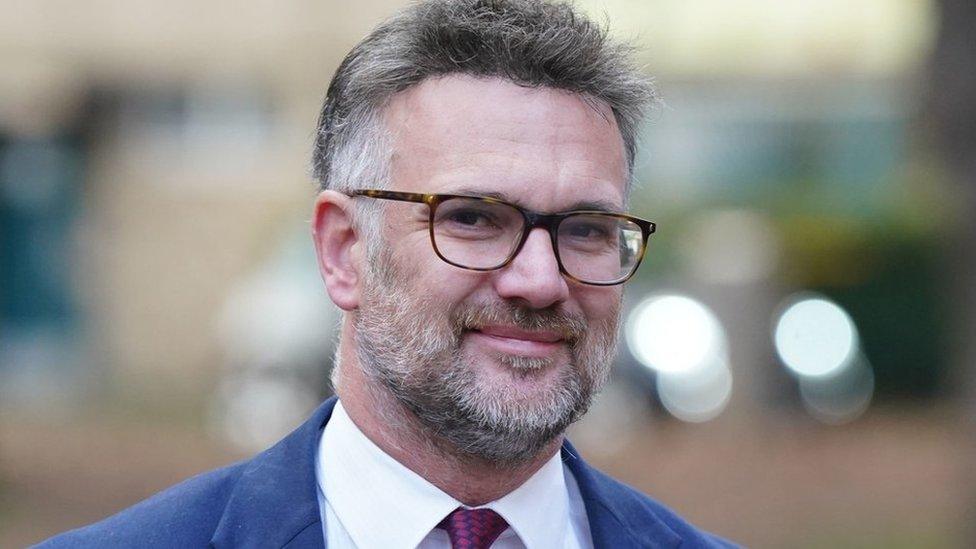
One public figure who has attracted increasing attention regarding his appearance is British television auctioneer Charles Hanson. Well known for programmes including Bargain Hunt, Flog It! and Antiques Road Trip, Hanson has been a familiar face on British television for more than two decades. During that time, many viewers noticed changes in his hairline and overall hair density, leading to widespread online searches for “Charles Hanson Hair Transplant.”
Unlike some celebrities who openly discuss cosmetic procedures, Charles Hanson has never publicly confirmed undergoing hair transplant surgery. Nevertheless, comparisons between older and more recent photographs have led many people to speculate that he may have received professional hair restoration treatment.
At Hair Legends Antalya, we frequently analyse celebrity transformations because they help patients understand what modern hair transplantation can realistically achieve. While every patient requires a personalised treatment plan, public examples provide valuable insight into natural hairline design, density restoration, and long-term planning.
Who Is Charles Hanson?
Charles Hanson is one of Britain’s best-known auctioneers and antiques experts. After building a successful career within the auction industry, he became a regular television personality thanks to his energetic style, extensive knowledge of antiques, and engaging personality.
Over the years he has appeared on numerous BBC daytime programmes and has become one of the UK’s most recognisable experts in antiques and collectibles. In addition to television, he founded Hansons Auctioneers, a respected auction house that handles thousands of valuable items each year.
Because Charles Hanson has remained in the public eye for such a long period, viewers have been able to observe gradual changes in his appearance, including the progression of his hair loss.
Charles Hanson’s Hair Loss Journey
Looking back at photographs from the early stages of his television career, Charles Hanson appeared to have a relatively mature hairline with good overall density. As the years progressed, however, the frontal hairline seemed to recede while thinning became more noticeable across the top of the scalp.
This pattern closely resembles androgenetic alopecia, more commonly known as male pattern baldness. It is the most common cause of hair loss in men and affects approximately half of all males during their lifetime.
Male pattern baldness develops gradually. Hair follicles become increasingly sensitive to dihydrotestosterone (DHT), causing them to shrink over time. As follicles miniaturise, hairs become thinner, shorter, and weaker until growth eventually stops altogether.
Patients experiencing this type of hair loss often notice recession around the temples first, followed by reduced density across the frontal scalp and eventually the crown.
Based solely on publicly available photographs, Charles Hanson’s earlier appearance could be interpreted as showing moderate frontal recession and diffuse thinning. However, without a clinical examination, no accurate diagnosis or Norwood classification can be confirmed.
Hair Loss Following Chemotherapy
An important aspect of Charles Hanson’s medical history is his diagnosis of testicular cancer several years ago. During treatment he underwent chemotherapy, which commonly causes temporary hair loss because the medication affects rapidly dividing cells, including hair follicles.
Charles himself acknowledged that chemotherapy resulted in noticeable hair shedding before his hair gradually returned as treatment ended.
It is important to distinguish chemotherapy-related hair loss from hereditary male pattern baldness. Chemotherapy typically causes temporary shedding across the entire scalp, while androgenetic alopecia follows a predictable pattern and develops over many years due to genetics.
Some patients may experience both conditions simultaneously, making the appearance of hair loss more noticeable. However, only a qualified medical assessment can determine the exact cause of hair thinning in any individual.
Did Charles Hanson Have a Hair Transplant?
The honest answer is that nobody outside Charles Hanson and his medical team can confirm this.
He has never publicly announced undergoing a hair transplant, identified a clinic, or discussed any surgical procedure relating to his hair.
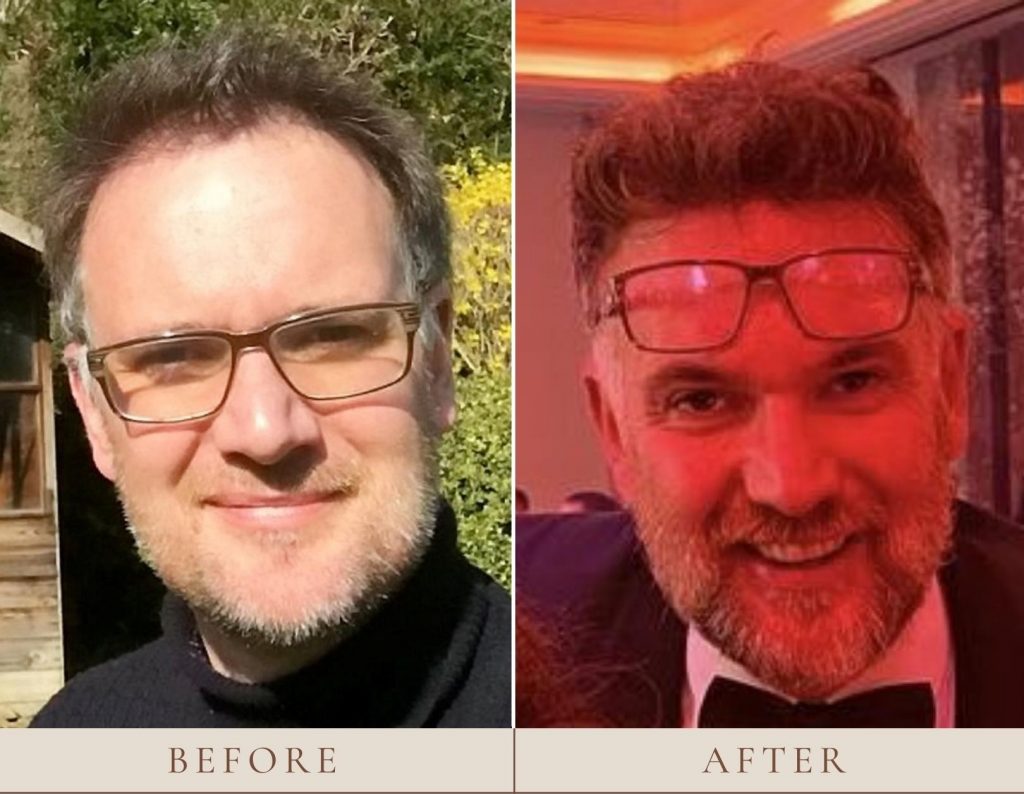
Despite this, comparisons between earlier and more recent appearances reveal several visible differences that have fuelled speculation among viewers and hair restoration professionals.
His frontal hairline appears denser.
The overall coverage across the top of the scalp looks fuller.
The hair framing his face appears thicker than in previous years.
These observations have led many people to believe that modern hair restoration may have contributed to his transformation.
However, it is equally important to recognise that photographs alone cannot prove surgery. Different hairstyles, improved hair care, medical treatments, styling products, camera angles, lighting conditions, or natural recovery after chemotherapy may also influence how hair appears.
At Hair Legends, we believe transparency is essential. Celebrity case studies should educate readers rather than present speculation as fact. This approach aligns with evidence-based medical communication and Google’s EEAT principles.
Before and After Analysis
Comparing publicly available photographs over a period of many years shows a noticeable improvement in Charles Hanson’s overall hair appearance.
Earlier photographs often display a more pronounced recession around the temples, lower density across the frontal scalp, and greater visibility of the scalp under strong lighting.
More recent appearances suggest improved density throughout the frontal region, a stronger frame around the face, and a healthier overall appearance.
One reason these changes attract attention is that the improvement appears gradual rather than dramatic.
Modern hair transplantation aims to recreate this exact effect.
A successful procedure should never make someone look like a different person. Instead, it should restore the patient’s natural appearance while preserving facial proportions and creating age-appropriate density.
The most successful hair transplant is often the one that nobody notices.
If a Hair Transplant Was Performed, Which Technique Might Have Been Used?
Because Charles Hanson has never confirmed undergoing surgery, it is impossible to identify the technique used.
However, if his transformation resulted from modern hair restoration, many specialists would expect a Follicular Unit Extraction (FUE) procedure rather than older strip harvesting techniques.
Today, Sapphire FUE represents one of the most advanced approaches available.
Individual follicular units are carefully extracted from the donor area before being implanted into thinning regions using highly precise recipient sites.
Potential advantages include minimal visible scarring, faster healing, excellent graft survival, natural hairline design, and the ability to achieve refined density in the frontal scalp.
At Hair Legends Antalya, every Sapphire FUE procedure is individually planned according to facial proportions, donor capacity, hair characteristics, and the patient’s long-term goals. Rather than creating an unnaturally low or perfectly straight hairline, our focus is on restoring balance, preserving donor hair, and producing results that continue to look natural for many years.
How Many Grafts Might Have Been Required?
As no official information has been released, any estimate remains speculative.
If Charles Hanson’s improved appearance resulted from a hair transplant, many experienced surgeons might estimate that approximately 2,000 to 3,000 grafts could have been sufficient to strengthen the frontal hairline, improve density across the mid-scalp, and create a fuller appearance while maintaining a natural look.
The exact number would depend on multiple factors, including donor density, hair thickness, curl pattern, scalp laxity, hair colour, and the desired density.
For this reason, graft estimates based solely on photographs should always be viewed as approximate rather than definitive. A comprehensive consultation remains the only reliable way to determine the appropriate treatment plan for any individual.
Whether inspired by a celebrity transformation or seeking to restore confidence after years of hair loss, patients should choose a clinic that prioritises medical ethics, natural design, and long-term planning. At Hair Legends, every hair transplant is tailored to the individual, ensuring results that complement facial features and age gracefully over time.