
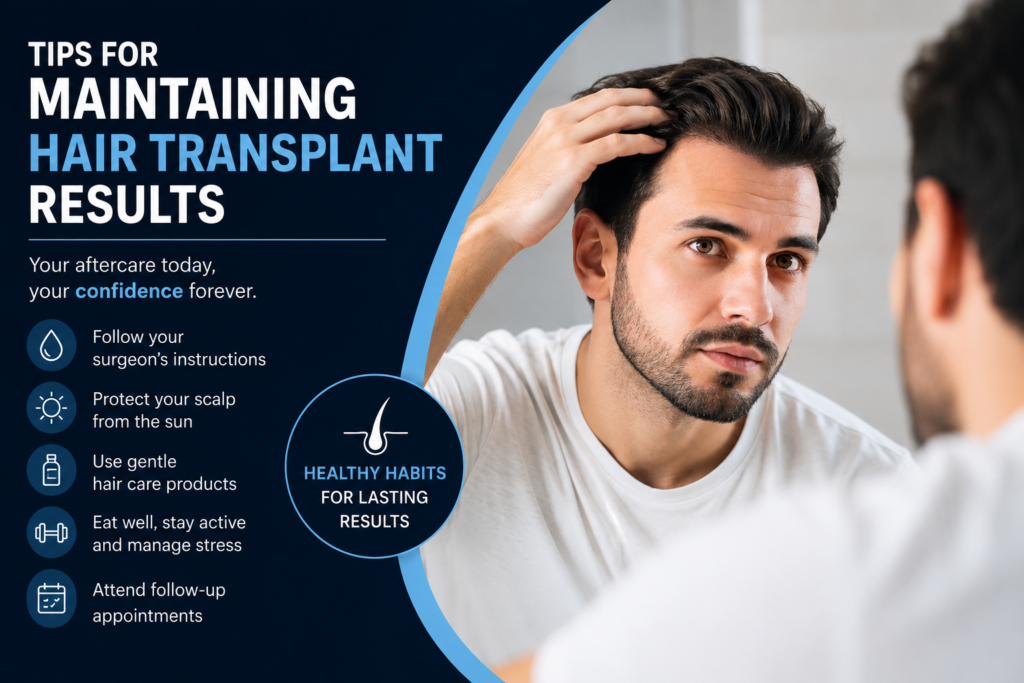
A successful hair transplant doesn’t end when the procedure is complete. In many ways, the recovery period and long-term care are just as important as the surgery itself. While modern techniques such as FUE, Sapphire FUE, and DHI can provide natural and permanent results, maintaining those results requires consistency, patience, and the right approach.
Many patients assume that once the transplanted grafts begin to grow, no further care is necessary. In reality, both transplanted and existing native hair benefit from proper maintenance. Following your surgeon’s instructions, protecting your scalp, and adopting healthy habits can help maximise the longevity and appearance of your results.
Below are some of the most important tips for maintaining a successful hair transplant.
Follow Your Surgeon’s Instructions Carefully
Every patient’s recovery is unique. Although there are general guidelines that apply to most people, your surgeon’s instructions should always take priority.
Immediately after surgery, the transplanted grafts are delicate. During the first several days they are establishing a new blood supply, making this period particularly important.
Your clinic may provide detailed advice regarding:
- Sleeping position
- Washing techniques
- Medication schedules
- Physical activity
- Sun exposure
- Travel recommendations
- Follow-up appointments
Ignoring these instructions may increase the risk of unnecessary complications and could negatively affect the healing process.
Be Patient During the Recovery Process
Hair restoration is not an overnight transformation.
One of the most common concerns among patients is the appearance of shedding a few weeks after surgery. This is completely normal and is often referred to as “shock loss.”
The transplanted follicles temporarily shed their hair shafts before entering a new growth cycle.
Typical recovery milestones often include:
Week 1–2
- Scabs gradually fall away.
- Mild redness continues to improve.
- Most patients return to normal daily activities.
Month 1
- Temporary shedding usually occurs.
- The transplanted follicles remain healthy beneath the skin.
Months 3–4
- Early new hairs begin emerging.
- Density remains relatively light.
Months 6–9
- Noticeable improvement develops.
- Hair becomes thicker and stronger.
Months 12–18
- Final density and texture become increasingly visible.
- Most patients appreciate the full cosmetic result.
Understanding this timeline helps prevent unnecessary anxiety during the early months.
Protect Your Scalp from the Sun
Sun exposure is often underestimated after a hair transplant.
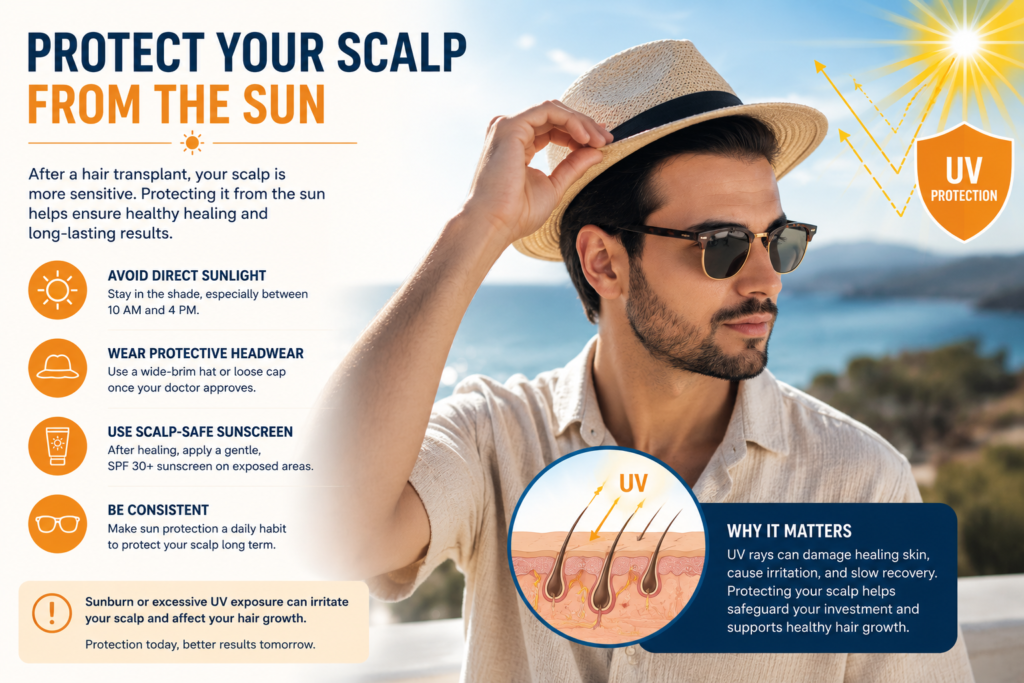
Freshly transplanted skin is particularly sensitive to ultraviolet radiation. Excessive sun exposure during the healing period may increase irritation and delay recovery.
During the first several weeks, patients should avoid prolonged direct sunlight whenever possible.
Once healing is complete, protecting your scalp remains beneficial for overall skin health.
Simple measures include:
- Staying in the shade during peak sunlight hours.
- Wearing appropriate head protection when approved by your surgeon.
- Avoiding sunburn.
- Maintaining adequate hydration.
Healthy scalp skin creates a better environment for healthy hair.
Wash Your Hair Correctly
Hair washing after transplantation differs significantly from your normal routine.
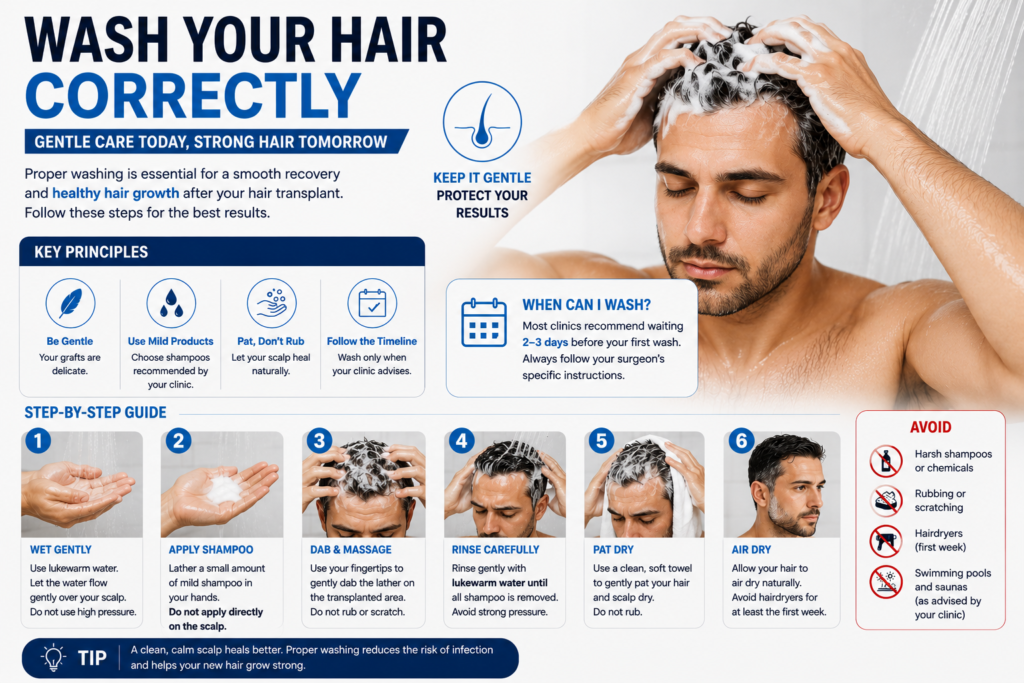
Most clinics provide specific instructions regarding when to begin washing and which products should be used.
During the first days:
- Avoid rubbing the recipient area.
- Use gentle water pressure.
- Pat the scalp dry rather than rubbing with a towel.
- Avoid scratching or picking scabs.
After the initial recovery period, patients can usually return to a normal washing routine using gentle shampoos that support scalp health.
Keeping the scalp clean reduces irritation and encourages healthy recovery.
Avoid Smoking Whenever Possible
Smoking affects blood circulation throughout the body.
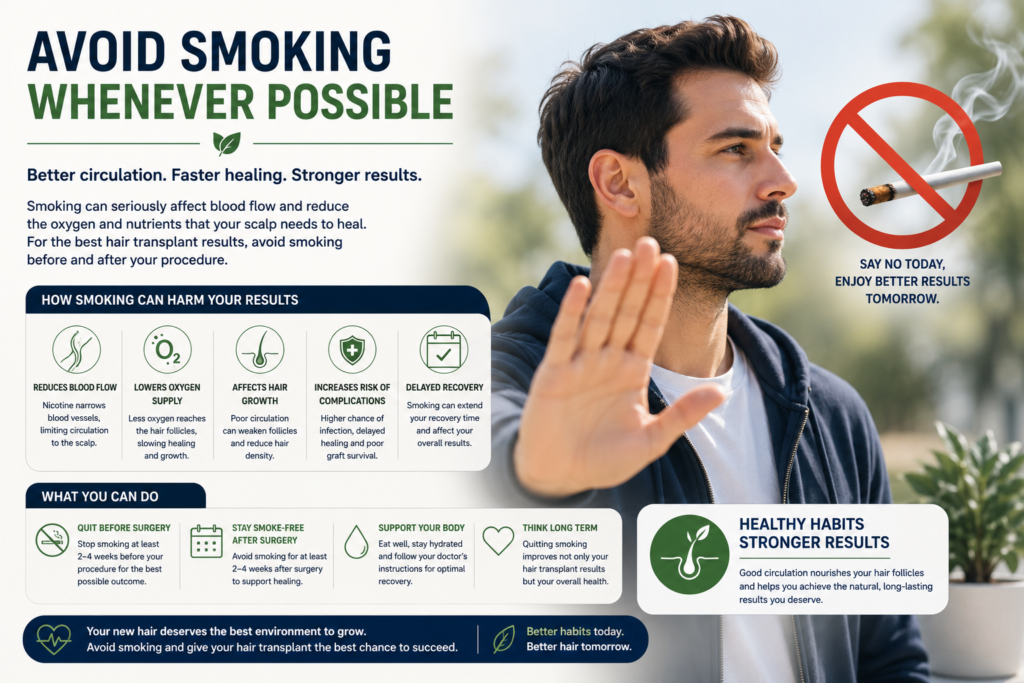
Because newly transplanted follicles depend on a healthy blood supply, many surgeons recommend avoiding cigarettes before and after surgery.
Improved circulation supports oxygen delivery and nutrient transport, both of which contribute to normal healing.
Even beyond the recovery period, reducing or quitting smoking may benefit overall hair health.
Eat a Balanced Diet
Hair follicles require nutrients to produce healthy hair.
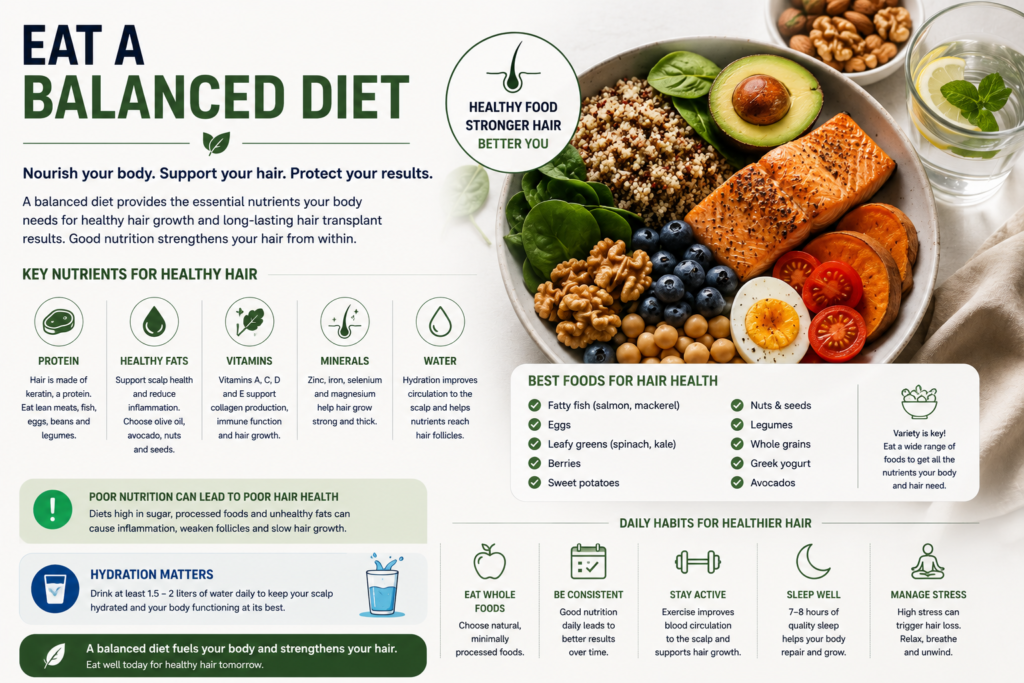
Although a transplant relocates genetically resistant follicles, overall nutrition still influences hair quality.
A balanced diet should include:
- Lean protein
- Fresh vegetables
- Fruit
- Healthy fats
- Whole grains
- Adequate water intake
Protein is particularly important because hair consists primarily of keratin, a structural protein.
Nutritional deficiencies may contribute to poor hair quality and should be addressed under professional guidance.
Manage Stress Levels
Stress does not directly cause male pattern baldness, but it can contribute to temporary shedding in some individuals.
Major life events, illness, poor sleep, and chronic stress may influence the hair growth cycle.
While eliminating stress completely isn’t realistic, developing healthy habits may support both general wellbeing and scalp health.
Helpful strategies include:
- Regular exercise after medical clearance.
- Consistent sleep routines.
- Mindfulness or relaxation techniques.
- Spending time outdoors.
- Maintaining work-life balance whenever possible.
Healthy lifestyle choices support overall recovery as well as long-term confidence.
Continue Looking After Your Existing Hair
A hair transplant restores hair to thinning areas, but it does not stop the natural ageing process.
Your existing, non-transplanted hair may continue to thin over time depending on your genetics and individual pattern of hair loss.
For this reason, many patients discuss long-term maintenance plans with their hair restoration specialist.
Depending on individual circumstances, recommendations may include ongoing monitoring, medical therapies, or non-surgical treatments designed to help preserve native hair.
A comprehensive approach often produces the most balanced and natural-looking long-term outcome.
Choose Hair Products Wisely
Not every shampoo, conditioner, or styling product is suitable for every scalp.
Following a hair transplant, patients should prioritise products that are gentle and appropriate for their scalp type.
When selecting hair care products, consider:
- Sulphate-free shampoos where appropriate.
- Mild formulations for sensitive skin.
- Products that minimise excessive dryness.
- Lightweight conditioners that do not leave heavy residue.
Using harsh chemicals unnecessarily may irritate the scalp, particularly during the early stages of recovery.
Developing a simple, consistent hair care routine is often more beneficial than constantly changing products in search of dramatic results.
Avoid Excessive Heat During the Healing Period
Your scalp is naturally more sensitive following a hair transplant, particularly during the first few weeks. While many people focus on protecting their scalp from direct sunlight, excessive heat from other sources should also be avoided.
Activities such as using very hot hair dryers, spending long periods in saunas or steam rooms, or exposing the scalp to extremely hot environments may increase irritation during the healing process.
If you use a hair dryer after your surgeon has approved it, choose the lowest heat setting and keep the dryer at a comfortable distance from your scalp. Allowing your hair to air dry whenever possible is often the gentlest option during recovery.
Wait Before Returning to Intense Exercise
Exercise is an important part of a healthy lifestyle, but returning too soon after surgery can interfere with the healing process.
High-intensity workouts increase blood pressure and perspiration, which may irritate the recipient area during the early recovery phase.
Most clinics recommend avoiding activities such as:
- Heavy weightlifting
- Running
- High-intensity interval training
- Contact sports
- Football
- Martial arts
Light walking is generally encouraged because it promotes healthy circulation without placing excessive stress on the body. As healing progresses, your surgeon will advise when it is appropriate to gradually resume your normal fitness routine.
Be Careful When Swimming
Swimming pools and natural bodies of water may expose your scalp to bacteria, chlorine, salt, and other substances that could irritate newly transplanted grafts.
For this reason, patients are usually advised to postpone swimming until the scalp has healed sufficiently.
This includes:
- Swimming pools
- The sea
- Lakes
- Rivers
- Hot tubs
Waiting a little longer before returning to the water is a simple precaution that may help protect your investment.
Avoid Wearing Tight Hats Too Soon
Many patients ask when they can wear a cap after surgery.
The answer depends on the stage of healing and the type of headwear.
A tight cap that rubs against freshly implanted grafts could potentially disturb the healing process. Once your clinic confirms that the grafts are secure, loose-fitting hats can usually be worn safely.
Always follow the specific recommendations provided by your surgeon rather than relying on general advice found online.
Delay Haircuts Until Your Scalp Has Recovered
Although many patients are eager to refresh their appearance, patience is important when it comes to haircuts.
The donor area generally heals more quickly than the recipient area, but both require time.
During the first several weeks, avoid shaving or trimming the transplanted area unless instructed otherwise by your clinic.
When you eventually return to the barber, let them know that you have recently undergone a hair transplant so they can treat the scalp with extra care.
Avoid Hair Dye During Early Recovery
Hair colouring products contain chemicals that may irritate healing skin.
Even if you’ve regularly coloured your hair before surgery, it’s advisable to wait until your scalp has fully recovered before applying dyes, bleach, or other chemical treatments.
Once healing is complete, colouring your hair is generally possible, but introducing products gradually and following professional advice is always recommended.
Stay Hydrated
Hydration supports overall health, including healthy skin.
Drinking enough water helps maintain normal body function and contributes to healthy circulation throughout the recovery period.
While hydration alone will not determine the success of a hair transplant, maintaining adequate fluid intake is a simple habit that supports healing and overall wellbeing.
Consider Medical Therapy If Recommended
Hair transplantation restores hair to thinning areas, but it does not prevent future hair loss in untreated regions of the scalp.
For some patients, a specialist may recommend additional medical therapies to help preserve existing hair.
Depending on your individual circumstances, these may include prescription medications or topical treatments designed to manage ongoing male pattern baldness.
These options are not appropriate for everyone, which is why treatment decisions should always be made following consultation with a qualified medical professional.
PRP and Other Supportive Treatments
Some clinics may recommend supportive therapies following a hair transplant.
One commonly discussed option is Platelet-Rich Plasma (PRP), which uses components of the patient’s own blood as part of a treatment protocol.
Other regenerative treatments may also be available depending on the clinic and individual treatment plan.
Although these therapies are increasingly popular, their suitability varies from patient to patient. Your surgeon can explain whether additional treatments are appropriate in your specific case.
Don’t Compare Your Progress to Others
Every patient heals differently.
One of the biggest mistakes people make is comparing their results with photographs shared on social media.
Factors influencing recovery include:
- Age
- Genetics
- Hair thickness
- Hair colour
- Donor quality
- Overall health
- Surgical technique
- Individual healing response
Some patients notice visible growth slightly earlier, while others require additional months before seeing significant improvement.
The most meaningful comparison is between your own progress over time rather than someone else’s results.
Attend Every Follow-Up Appointment
Follow-up appointments provide an opportunity for your clinic to assess healing and answer any questions you may have.
During these visits, your surgeon can evaluate:
- Recipient area recovery
- Donor healing
- Hair growth progress
- Scalp condition
- Any concerns you may have noticed
Early identification of minor issues often makes them easier to address.
Even if everything appears normal, routine follow-up remains an important part of comprehensive patient care.
Protect Your Long Term Investment
A hair transplant is often considered a long-term investment in your appearance and confidence.
Looking after your scalp after surgery helps maximise that investment.
Simple daily habits can make a meaningful difference over the years:
- Wash your hair gently.
- Protect your scalp from excessive sun exposure.
- Eat a balanced diet.
- Exercise regularly once fully recovered.
- Manage stress effectively.
- Attend routine medical reviews if advised.
Consistency is more valuable than searching for quick fixes or miracle products.
Common Mistakes After a Hair Transplant
Many avoidable mistakes occur because patients become impatient during recovery.
Some of the most common include:
- Touching or scratching the grafts too early.
- Returning to the gym ahead of schedule.
- Ignoring washing instructions.
- Smoking during the early healing period.
- Wearing tight hats too soon.
- Expecting immediate results.
- Frequently checking the mirror for daily changes.
- Following unverified advice found on social media instead of their clinic’s recommendations.
Avoiding these mistakes gives transplanted follicles the best possible environment for healthy growth.
Hair Care Is a Lifelong Commitment
Successful hair restoration extends far beyond the day of surgery.
Maintaining healthy hair requires ongoing attention to scalp care, nutrition, overall health, and realistic expectations.
Even patients with excellent transplant results benefit from continuing to care for both transplanted and existing hair.
Healthy habits developed during recovery often become valuable long-term routines that support hair quality for many years.
Ultimately, the goal of a hair transplant is not simply to grow new hair but to achieve results that continue to look natural throughout the ageing process.
With appropriate aftercare, regular monitoring, and guidance from an experienced medical team, patients can enjoy results that remain aesthetically pleasing and complement their appearance well into the future.
Frequently Asked Questions About Maintaining Hair Transplant Results
How long do hair transplant results last?
One of the most common questions patients ask is whether a hair transplant is permanent.
The transplanted follicles are usually taken from the donor area at the back and sides of the scalp, where the hair is genetically more resistant to the hormone responsible for male pattern baldness. Because of this, transplanted hair is generally expected to continue growing for many years.
However, it is important to remember that a hair transplant does not stop the natural ageing process. Existing, non-transplanted hair may continue to thin over time, which is why many patients benefit from a personalised long-term hair maintenance plan.
Can transplanted hair fall out?
Yes but this is not necessarily a cause for concern.
Many patients experience temporary shedding during the first few weeks after surgery. This is a normal stage of the hair growth cycle and is often called “shock loss.”
Although the hair shafts fall out, the follicles remain beneath the skin. New hair gradually begins growing over the following months.
Understanding this process helps patients remain patient and avoid unnecessary stress during recovery.
Is it normal for one side to grow faster?
Absolutely.
Hair rarely grows at exactly the same speed across every area of the scalp.
Small differences between the left and right side are completely normal during the recovery process.
As growth continues over several months, these differences often become much less noticeable.
Can stress affect my final result?
Stress may influence the overall hair growth cycle and can contribute to temporary shedding in some individuals.
Although transplanted follicles are generally permanent, maintaining a healthy lifestyle—including adequate sleep, balanced nutrition and stress management creates a better environment for healthy hair growth.
Should I continue using hair loss treatments?
This depends entirely on your individual hair loss pattern.
Some patients choose to continue medical treatments to help preserve their existing native hair, while others may not require additional therapy.
The best approach should always be discussed with your hair restoration specialist following a thorough assessment.
When can I style my hair normally?
Most patients gradually return to their usual grooming routine once the scalp has healed.
Using styling products too early may irritate sensitive skin, so it’s advisable to wait until your clinic confirms that healing has progressed sufficiently.
Once recovered, patients can usually style, wash and maintain their hair as they did before surgery.
Building Healthy Hair Habits for Life
Hair restoration should be viewed as a long-term commitment rather than a one-day procedure.
Patients who enjoy the best long-term outcomes often develop simple but consistent habits that support healthy hair throughout life.
These include:
- Maintaining a nutritious diet.
- Drinking plenty of water.
- Sleeping well each night.
- Protecting the scalp from excessive sun exposure.
- Avoiding smoking where possible.
- Exercising regularly after full recovery.
- Following professional medical advice.
- Attending routine follow-up appointments.
Although these habits may seem straightforward, consistency often has a greater impact than constantly searching for new products or trends.
The Importance of Realistic Expectations
Modern hair transplantation has advanced significantly over the past two decades.
Techniques such as Sapphire FUE, FUE and DHI are capable of producing exceptionally natural results when performed by experienced professionals.
Nevertheless, every patient is different.
Hair characteristics such as thickness, colour, curl pattern, donor density and scalp condition all influence the final outcome.
Rather than comparing yourself with celebrity transformations or heavily edited images on social media, focus on achieving the best possible result for your own facial features and hair characteristics.
Natural-looking hair should complement your appearance rather than draw attention to itself.
Choosing the Right Clinic Matters
Maintaining excellent hair transplant results begins long before the procedure itself.
Selecting an experienced clinic plays one of the most important roles in long-term success.
When researching clinics, consider factors such as:
- Medical experience.
- Hairline design philosophy.
- Donor area preservation.
- Patient reviews.
- Before-and-after results.
- Hygiene standards.
- Communication and aftercare.
The cheapest option is not always the best choice.
A carefully planned procedure performed by an experienced team often provides greater value over the long term than prioritising price alone.
Why Personalised Treatment Plans Deliver Better Results
No two patients experience hair loss in exactly the same way.
Some people require only minor hairline refinement, while others need more comprehensive restoration.
Age, genetics, donor capacity and future hair loss should all be considered before surgery.
A personalised treatment plan helps ensure that today’s procedure still looks natural many years from now.
Long-term planning is one of the defining characteristics of high-quality hair restoration.
Hair Legends’ Philosophy
At Hair Legends, we believe successful hair restoration is built on honesty, precision and personalised care.
Every consultation begins with a detailed assessment of the patient’s hair loss pattern, donor area and long-term expectations.
Instead of promising unrealistic graft numbers or instant transformations, our focus is on creating balanced, natural-looking results that age gracefully.
Our experienced team carefully plans every procedure with attention to hair direction, density and facial harmony while prioritising the health of the donor area.
We also believe that patient education is just as important as the procedure itself. By providing detailed aftercare guidance and ongoing support, we help patients understand every stage of the recovery process and maximise the longevity of their results.
Whether someone is experiencing the early signs of hair thinning or considering a more extensive restoration, our goal remains the same: to deliver safe, personalised treatment with results that look natural for years to come.
Final Thoughts
A successful hair transplant is the beginning of a long-term journey rather than the end of one.
The quality of the procedure, the expertise of the medical team and the patient’s commitment to proper aftercare all contribute to the final outcome. While transplanted follicles are generally designed to provide permanent growth, maintaining healthy hair requires ongoing attention to scalp care, nutrition, lifestyle and realistic expectations.
Simple habits such as protecting your scalp from excessive sunlight, following your surgeon’s instructions, maintaining a balanced diet and attending follow-up appointments can make a significant difference over time.
It’s equally important to remember that every patient is unique. Recovery timelines, hair growth patterns and final density vary from person to person. Patience is essential, and judging your results too early can lead to unnecessary concern.
Modern hair restoration has helped millions of people regain confidence through natural-looking results, but the best outcomes are achieved when surgery is combined with responsible long-term care.
If you are considering a hair transplant or would like professional advice about maintaining your existing hair, the experienced team at Hair Legends is here to guide you through every stage of your hair restoration journey from your initial consultation to your final results and beyond.