
When football fans search for Chicharito hair transplant, they are usually trying to answer one question: has Javier Hernández undergone a hair restoration procedure?
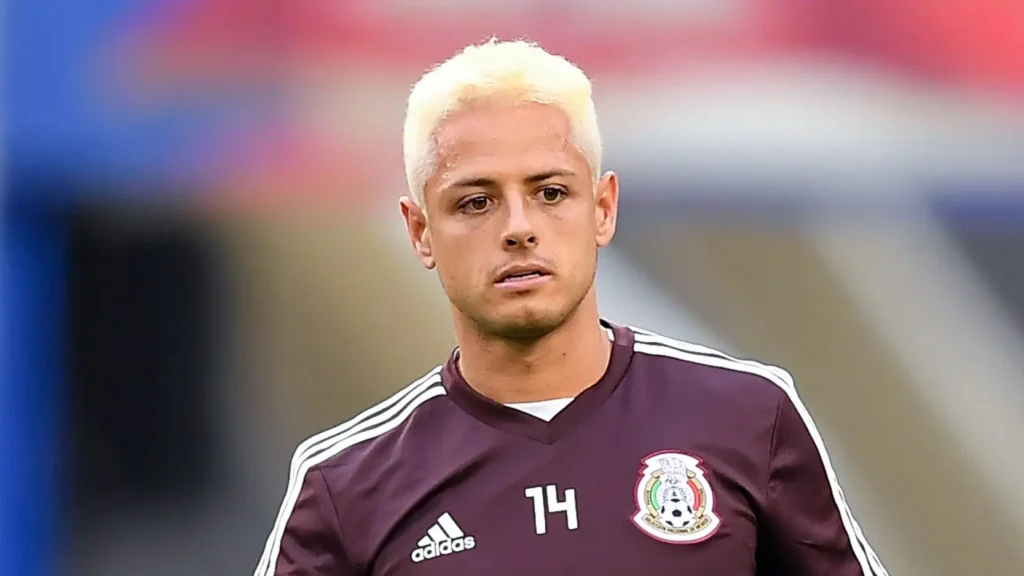
Over the course of his professional career, Chicharito has remained one of the most recognizable footballers in the world. From his breakthrough years at Guadalajara and Manchester United to his appearances with Real Madrid, Bayer Leverkusen, Sevilla, LA Galaxy, and the Mexican National Team, millions of fans have watched his appearance evolve.
One detail that has generated considerable online discussion is his hairline.
Unlike many men approaching their late thirties, Chicharito has continued to appear with relatively strong frontal density in photographs, interviews, and televised matches. As a result, searches such as “Chicharito hair transplant,” “Javier Hernández hair transplant,” “Chicharito before and after,” and “footballer hair transplant” have become increasingly popular.
At Hair Legends, we understand why celebrity hair transformations attract attention. However, it is important to distinguish speculation from verified medical facts.
As of today, Javier Hernández has not publicly confirmed undergoing a hair transplant procedure. Therefore, it would be inaccurate to claim that he definitely received surgical hair restoration.
Instead, his appearance provides an excellent opportunity to explain how experienced hair restoration specialists evaluate hairlines and what modern hair transplant techniques can achieve.
Chicharito’s Hair Evolution Throughout His Career
Like many professional athletes, Chicharito has spent nearly two decades under constant media attention.
High-definition television broadcasts, close-up interviews, magazine covers, and social media have documented every stage of his career.
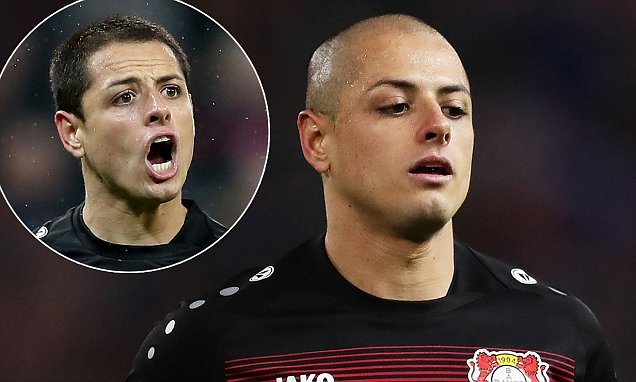
During his younger years, Chicharito naturally possessed thick dark hair with a youthful hairline. As he matured, some photographs appeared to show subtle changes around the temples, while others suggested very little recession at all.
This inconsistency demonstrates one important reality.
Lighting, hairstyle, camera angles, wet hair, hair products, and even wind can dramatically change how a person’s hairline appears.
For this reason, reputable hair transplant clinics never diagnose hair loss based solely on photographs.
Instead, specialists perform detailed scalp examinations using magnification, evaluate donor density, assess family history, and consider the patient’s future pattern of hair loss.
Celebrity photographs rarely provide enough information to make definitive conclusions.
Did Chicharito Have a Hair Transplant?
This is undoubtedly the question that brings readers to this article.
The honest answer is straightforward.
There is currently no verified public evidence confirming that Chicharito has undergone a hair transplant.
Many websites publish sensational headlines claiming celebrities have received cosmetic procedures without any supporting evidence.
At Hair Legends, we believe responsible medical communication should always rely on confirmed information rather than assumptions.
Although some fans believe his hair appears fuller than before, there are several perfectly reasonable explanations that do not necessarily involve surgery.
These may include:
- Naturally strong genetics
- Professional hairstyling
- Hair thickening products
- Medical treatments for hair loss
- Preventative medications
- Different haircut choices
- Changes in facial proportions with age
Without confirmation from Javier Hernández himself, nobody can accurately state whether he has undergone hair restoration surgery.
How Hair Restoration Experts Analyze Celebrity Hairlines
One of the most common misconceptions about celebrity hair transplants is that experts can determine with certainty whether someone has undergone surgery simply by looking at photographs.
In reality, responsible specialists look for patterns rather than making assumptions.
Hairline Shape
Modern hair transplant procedures avoid creating perfectly straight hairlines.
Instead, surgeons design soft, irregular, age-appropriate hairlines that mimic natural growth.
When evaluating any celebrity, specialists examine whether the frontal hairline appears consistent with natural anatomy.
Temple Recession
The temples often provide valuable clues regarding male pattern baldness.
However, many men naturally retain excellent temple density well into their forties.
Therefore, strong temples alone do not indicate surgical intervention.
Hair Density
Photographs taken under different lighting conditions may dramatically affect perceived density.
Professional styling products can also create the appearance of thicker hair.
Consequently, density should never be used as the sole indicator of a hair transplant.
Donor Area
Experienced surgeons also examine the donor region located at the back and sides of the scalp.
Modern Sapphire FUE Hair Transplant techniques leave extremely small extraction points that are almost impossible to detect after healing.
Unfortunately, celebrity photographs rarely provide sufficient resolution for meaningful donor analysis.
Understanding Male Pattern Baldness
Whether discussing celebrities or everyday patients, androgenetic alopecia remains the most common cause of male hair loss worldwide.
This hereditary condition gradually causes hair follicles to shrink under the influence of dihydrotestosterone (DHT).
Over time, hairs become thinner, shorter, and eventually stop growing altogether.
The progression typically follows predictable stages:
- Slight temple recession
- Mature hairline development
- Crown thinning
- Mid-scalp hair loss
- Advanced baldness
Not every man follows the same pattern.
Some experience rapid hair loss in their twenties, while others retain excellent density well into later life.
Genetics play the largest role, although age, hormones, general health, stress, and lifestyle may also influence progression.
Early diagnosis allows patients to explore a wider range of treatment options before significant hair loss occurs.
Modern Hair Restoration Has Changed Dramatically
Hair transplantation has evolved considerably over the last twenty years.
Older procedures often produced unnatural results characterised by obvious plug-like grafts and straight hairlines.
Today, modern techniques focus on creating completely natural outcomes.
At Hair Legends, every treatment begins with a comprehensive consultation.
Rather than simply counting grafts, our specialists evaluate:
- Facial proportions
- Hair calibre
- Donor density
- Future hair loss
- Ethnicity
- Age
- Long-term expectations
This personalised planning allows surgeons to create hairlines that continue looking natural for many years.
Hair restoration is no longer about replacing hair alone.
It is about designing harmony between the face, hairline, and future ageing process.
Sapphire FUE Hair Transplant
One of the most advanced procedures available today is the Sapphire FUE Hair Transplant.
Unlike conventional steel blades, Sapphire FUE uses ultra-sharp sapphire blades to create recipient channels with exceptional precision.
Benefits include:
- Smaller incisions
- Faster healing
- Reduced tissue trauma
- High graft survival
- Natural hair direction
- Dense implantation
- Minimal scarring
Because recipient sites can be created with greater precision, surgeons are able to mimic natural hair growth patterns more accurately.
This technique has become particularly popular among international patients travelling to Antalya for hair restoration.
At Hair Legends, Sapphire FUE remains one of our most frequently recommended techniques for patients seeking natural, long-lasting results.
DHI Hair Transplant: Precision for Natural Results
Another highly advanced option available at Hair Legends is DHI Hair Transplant (Direct Hair Implantation). While Sapphire FUE focuses on creating recipient channels before implantation, DHI uses specialized implanter pens that allow experienced surgeons to control the angle, depth, and direction of every individual follicle during placement.
This level of precision makes DHI an excellent choice for patients who require:
- Hairline refinement
- Increased density between existing hairs
- Smaller treatment areas
- Minimal shaving in selected cases
- Natural-looking frontal restoration
Many patients ask whether Sapphire FUE or DHI is the better option. The answer depends entirely on the individual’s hair loss pattern, donor quality, and treatment goals.
At Hair Legends, we do not believe in a one-technique-fits-all approach. Every patient receives a personalized treatment plan after a comprehensive consultation.
In some situations, combining both techniques produces the most natural outcome. This hybrid approach allows surgeons to maximize density while maintaining a soft, irregular hairline that closely resembles natural hair growth.
Hairline Design: The Most Important Part of Any Hair Transplant
Many people assume that the number of grafts determines the success of a hair transplant.
In reality, experienced surgeons know that hairline design is often the single most important factor.
A poorly designed hairline can look unnatural even if thousands of grafts survive successfully.
At Hair Legends, every hairline is designed individually according to:
- Facial symmetry
- Age
- Ethnicity
- Existing hair pattern
- Future hair loss
- Forehead proportions
Our philosophy is simple.
The best hair transplant should never look like a hair transplant.
Instead, people should simply notice that you look younger, healthier, and more confident.
Modern hairlines avoid perfectly straight lines and instead recreate the subtle irregularities found in natural hair growth.
This artistic approach has become one of the defining characteristics of premium hair restoration clinics.
Why Donor Area Preservation Matters
One of the biggest mistakes made by inexperienced clinics is removing too many grafts from the donor area.
Patients often believe that extracting the maximum possible number of follicles will produce the best results.
Unfortunately, the opposite is often true.
Over-harvesting may lead to:
- Visible thinning in the donor area
- Uneven density
- Limited options for future procedures
- Permanent cosmetic concerns
Responsible surgeons think beyond the first procedure.
At Hair Legends, protecting the donor area is one of our highest priorities.
We carefully calculate the number of grafts required while ensuring enough healthy follicles remain available should additional treatment ever become necessary.
Hair restoration is a long-term investment rather than a one-day procedure.
Beard Transplant for Men
Hair restoration extends beyond the scalp.
Many men seek treatment for patchy or uneven facial hair.
A Beard Transplant can restore density in areas affected by genetics, scarring, burns, or naturally sparse growth.
Using healthy donor follicles, surgeons carefully implant individual hairs into:
- Full beard
- Goatee
- Moustache
- Sideburns
- Scarred areas
Each graft is placed according to the natural direction of beard growth.
This level of detail is essential because beard hairs grow at very different angles compared with scalp hair.
Once fully healed, transplanted beard hair continues growing naturally and can be shaved, trimmed, or styled like the rest of the beard.
Eyebrow Restoration
Although eyebrow transplantation is often associated with women, many male patients also benefit from eyebrow restoration.
Common reasons include:
- Trauma
- Burns
- Surgical scars
- Genetics
- Previous over-plucking
Eyebrows frame the face and contribute significantly to facial expression.
Even small improvements can dramatically enhance overall appearance.
Hair Legends carefully designs each eyebrow according to the patient’s facial anatomy while implanting every follicle at the extremely shallow angles required for natural growth.
PRP Therapy and Regenerative Treatments
Modern hair restoration is not limited to surgery.
Many patients combine transplantation with regenerative treatments to support healing and improve scalp health.
One of the most common options is Platelet-Rich Plasma (PRP) therapy.
PRP is prepared using the patient’s own blood and contains concentrated growth factors that may help create a healthier environment for transplanted follicles.
Potential benefits include:
- Faster healing
- Reduced inflammation
- Improved graft survival
- Healthier scalp tissue
- Stronger existing hair
Some patients may also be suitable candidates for newer regenerative treatments such as exosome therapy or stem cell-supported therapies. These approaches are designed to complement hair transplantation rather than replace it.
During consultation, our specialists determine which combination of treatments is most appropriate for each patient.
Why Antalya Has Become a Global Hair Transplant Destination
Every year, thousands of international patients travel to Antalya for hair restoration.
The city has earned an excellent reputation for combining experienced surgeons, advanced medical technology, and affordable treatment packages.
Patients visiting Hair Legends also appreciate the opportunity to recover in one of the Mediterranean’s most beautiful destinations.
Advantages include:
- International airport connections
- Modern medical facilities
- Comfortable accommodation
- Pleasant climate
- Beautiful coastline
- Easy transportation
- High-quality patient care
Medical tourism allows patients to combine world-class treatment with a relaxing recovery experience.
Why Choose Hair Legends?
Choosing the right clinic is often more important than choosing the technique itself.
At Hair Legends, our philosophy is based on quality rather than quantity.
Every treatment plan is personalized to the individual patient.
We focus on:
- Doctor-led procedures
- Natural hairline design
- Sapphire FUE expertise
- DHI Hair Transplant
- Donor area preservation
- Beard Transplant
- Eyebrow Transplant
- PRP support
- Individual aftercare
- Long-term planning
Rather than pursuing the highest possible graft numbers, our priority is achieving natural results that continue looking excellent for years to come.
Every patient receives honest recommendations based on medical suitability rather than unrealistic promises.
Frequently Asked Questions
Did Chicharito confirm having a hair transplant?
No. At the time of writing, Javier Hernández has not publicly confirmed undergoing a hair transplant procedure.
Can photographs prove someone had a hair transplant?
No. Photographs alone are insufficient to confirm hair restoration surgery. Lighting, hairstyles, and camera angles can significantly affect appearance.
Which technique produces the most natural results?
Both Sapphire FUE and DHI Hair Transplant can produce excellent outcomes when performed by experienced surgeons. The best option depends on the patient’s individual needs.
How long do transplanted hairs last?
Hair follicles transplanted from the donor area generally retain their resistance to hair loss and are considered permanent.
Is every patient suitable for surgery?
Not always. A detailed consultation is essential to determine donor quality, hair loss pattern, medical history, and treatment goals before recommending surgery.
Final Thoughts
Searches for “Chicharito hair transplant” demonstrate the growing public interest in celebrity hair restoration. However, responsible medical professionals should always separate speculation from confirmed facts.
While Javier Hernández’s appearance has inspired online discussion, there is currently no verified evidence that he has undergone a hair transplant.
What his story does highlight is the remarkable progress made in modern hair restoration.
Advanced procedures such as Sapphire FUE Hair Transplant, DHI Hair Transplant, Beard Transplant, and Eyebrow Transplant now enable patients to achieve natural-looking, long-lasting results with minimal scarring and carefully preserved donor areas.
At Hair Legends, our mission is not to recreate a celebrity hairstyle but to design a treatment plan that complements your facial features, protects your donor area, and delivers results that look authentic for years to come.
Whether you are experiencing early hairline recession, crown thinning, or more advanced hair loss, a personalized consultation is the first step toward understanding your options and creating a long-term hair restoration plan built around your individual needs.