
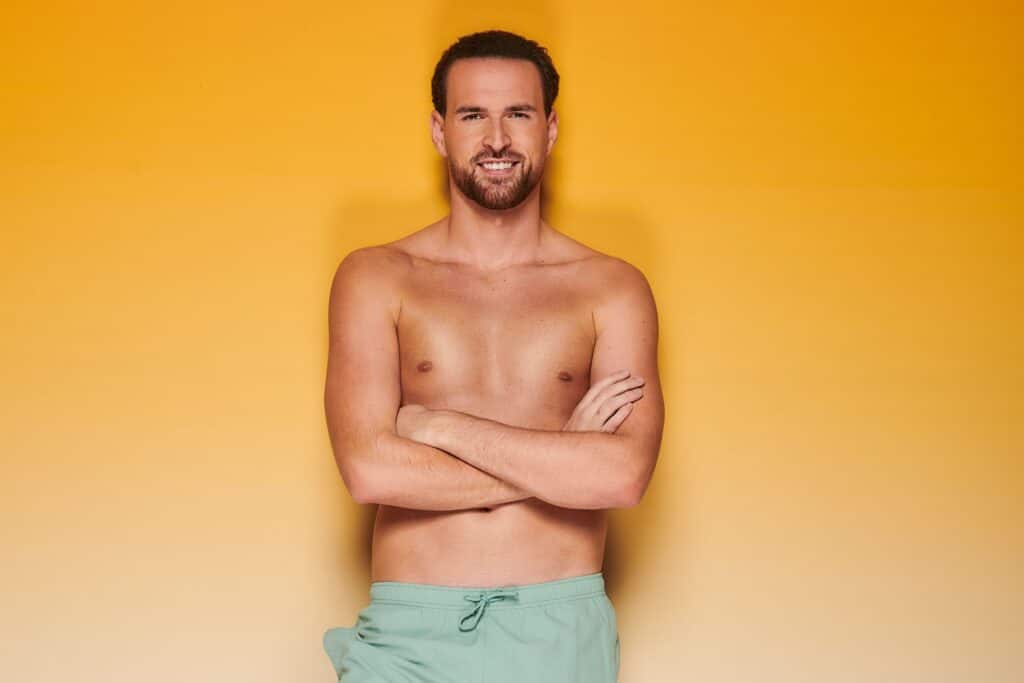
Reality TV stars are often under constant scrutiny, and few contestants experienced that more than Love Island star Ronnie Vint. During his appearances on the popular ITV dating show, Ronnie’s hair became a frequent topic of discussion across social media. Viewers regularly questioned his hairline, hairstyle, and whether he was using cosmetic products to disguise hair loss.
In 2026, Ronnie Vint finally revealed that he had undergone a hair transplant procedure after years of insecurity and online criticism. Reports indicated that he chose surgical hair restoration after relying on hair fibres to conceal thinning areas for a long time.
His transformation has once again highlighted an important topic affecting millions of men worldwide: male pattern baldness and modern hair transplant solutions.
Has Ronnie Vint Had A Hair Transplant?
For a long time, the answer to this question was no.

During his appearances on Love Island and subsequent media interviews, Ronnie Vint openly admitted that he used hair fibres to disguise thinning areas around his hairline. He frequently spoke about using products such as Toppik to create the appearance of a fuller and denser hairline, helping him manage the confidence issues associated with hair loss.
However, that changed in 2026.
In May 2026, Ronnie revealed on social media that he had finally undergone a hair transplant procedure after years of comments and speculation surrounding his hairline. He shared photographs from the clinic showing his shaved scalp and post-operative recovery, confirming that he had decided to pursue a permanent solution for his hair loss.
Prior to the procedure, Ronnie often joked about his receding hairline and acknowledged that hair fibres had become part of his daily routine. While these cosmetic products provided temporary coverage, they could not stop the progression of androgenetic alopecia, also known as male pattern baldness.
His decision to undergo a hair transplant reflects a growing trend among public figures who are choosing modern hair restoration procedures to address hairline recession and thinning hair permanently.
Timing Of Ronnie Vint’s Hair Loss Progression
Although Ronnie has never publicly disclosed the exact age at which his hair loss began, photographs from recent years suggest that the progression followed a typical male pattern baldness pathway.
Early Stages
The first noticeable signs appeared around the frontal hairline and temple regions. Like many men in their twenties, Ronnie experienced gradual recession rather than sudden hair loss. This type of pattern is commonly associated with genetic sensitivity to DHT (dihydrotestosterone).
Love Island Era
During his original Love Island appearance, viewers frequently discussed his hairline on social media. Many people speculated that he was wearing a hairpiece or wig, while others noticed the visible signs of recession around the corners of his forehead. Ronnie later clarified that he was using hair fibres rather than a hair system.

Progression Through His Late Twenties
As the years passed, the recession became more noticeable, particularly under bright studio lighting and high-definition television cameras. Ronnie openly admitted that without hair fibres, his hairline appeared significantly further back than viewers realised.
Decision To Undergo Surgery
By 2026, after years of relying on temporary cosmetic solutions, Ronnie decided to move forward with hair transplant surgery. This timing is common among men who initially manage hair loss with styling techniques and concealers before eventually seeking a permanent restoration procedure.
His journey demonstrates how male pattern baldness often develops gradually over many years, allowing patients time to evaluate different treatment options before making a surgical decision.
Could Ronnie Vint Benefit From A Hair Transplant?
Based on publicly available photographs taken before his procedure, Ronnie appeared to be an excellent candidate for a hair transplant.
Strong Donor Area
One of the most important requirements for successful hair restoration is a healthy donor region at the back and sides of the scalp. Ronnie appeared to retain good donor density, making him a suitable candidate for follicular unit extraction (FUE) or direct hair implantation (DHI).
Hair Loss Concentrated In The Hairline
His hair loss was primarily focused on the frontal hairline and temple areas rather than extensive crown baldness. Patients with this pattern often achieve highly impactful results because rebuilding the frontal hairline dramatically improves facial framing and overall appearance.
Moderate Graft Requirements
Some hair restoration specialists have estimated that Ronnie’s level of recession could have required approximately 1,100 to 1,700 grafts to restore density and create a stronger, more youthful hairline.
Natural-Looking Potential
Because Ronnie still retained substantial native hair behind the hairline, a well-designed transplant could blend seamlessly with his existing hair. This often leads to exceptionally natural outcomes when performed by experienced surgeons.
Psychological Benefits
Ronnie has openly discussed the impact that his hairline had on his confidence over the years. Hair transplantation is not only about aesthetics; many patients report significant improvements in self-confidence and social comfort following successful treatment.
Now that Ronnie has undergone a hair transplant, the focus shifts to recovery and growth. Most patients begin seeing visible new growth between three and six months, with substantial improvements appearing around months nine to twelve. Final maturation typically occurs between twelve and eighteen months after surgery.
Based on the extent of his original hair loss and the quality of his donor area, there is strong reason to expect a noticeable and natural-looking transformation as his results continue to develop.
How Many Grafts Will Ronnie Need If Undergoing A Hair Transplant?
Before Ronnie Vint publicly revealed that he had undergone a hair transplant, many hair restoration experts speculated about the number of grafts that would be required to restore his hairline effectively. Based on photographs taken during his Love Island appearances and subsequent media appearances, Ronnie appeared to have moderate frontal hairline recession with noticeable thinning around the temple regions.
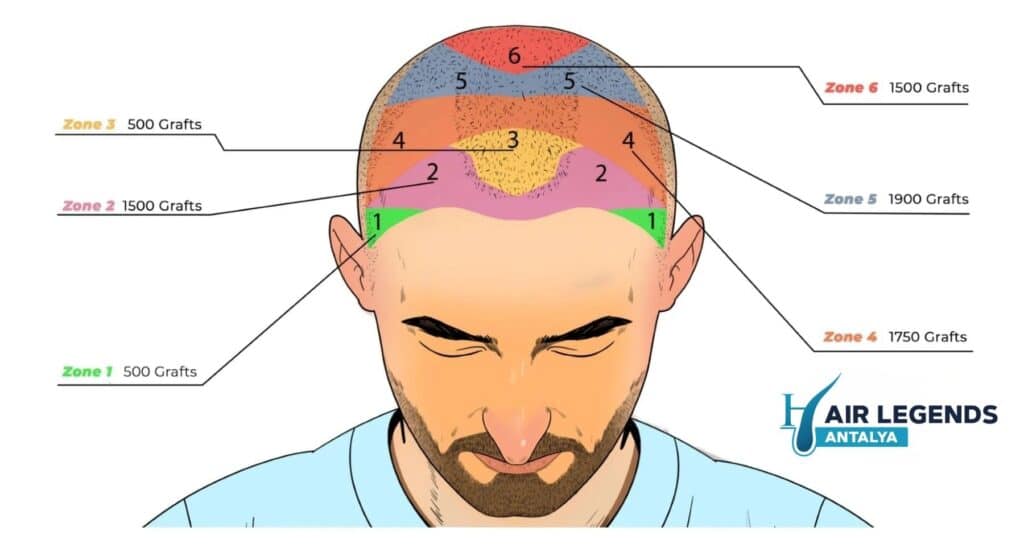
While only a face-to-face consultation can determine the exact graft count required, patients with a similar pattern of hair loss typically require between 1,500 and 2,500 grafts to achieve a natural-looking result.
Factors That Influence Graft Numbers
Several factors determine how many grafts a patient may need:
Extent Of Hair Loss
The larger the area affected by recession or thinning, the more grafts are required. Ronnie’s hair loss appeared to be concentrated primarily in the frontal hairline rather than involving extensive crown baldness, which generally reduces the total graft requirement.
Desired Hairline Design
Creating a lower and denser hairline requires more grafts than maintaining a mature, age-appropriate hairline. Most experienced hair transplant doctors recommend designing a natural-looking hairline that will continue to look appropriate as the patient ages.
Donor Hair Density
Patients with strong donor areas can often achieve greater density while preserving donor reserves for future procedures if needed. Ronnie appeared to possess a relatively healthy donor area, making him a strong candidate for hair restoration.
Hair Characteristics
Thicker hair shafts, wavy hair, and darker hair often create better visual coverage compared to fine hair, potentially reducing the number of grafts needed to achieve the desired appearance.
Estimated Graft Breakdown For Ronnie
If Ronnie’s goal was to rebuild his frontal hairline and restore temple recession, a typical graft allocation could include:
- Hairline reconstruction: 800 to 1,200 grafts
- Temple restoration: 300 to 600 grafts
- Frontal density enhancement: 400 to 800 grafts
This would place the total estimated requirement between 1,500 and 2,500 grafts.
For many patients experiencing similar levels of hairline recession, this range is often sufficient to produce a significant cosmetic improvement while maintaining a natural appearance.
What Type Of Hair Transplant Can Ronnie Vint Have?
Patients with hair loss patterns similar to Ronnie Vint generally have several modern hair restoration options available. The most suitable technique depends on donor quality, hair characteristics, personal preferences, and the desired final result.
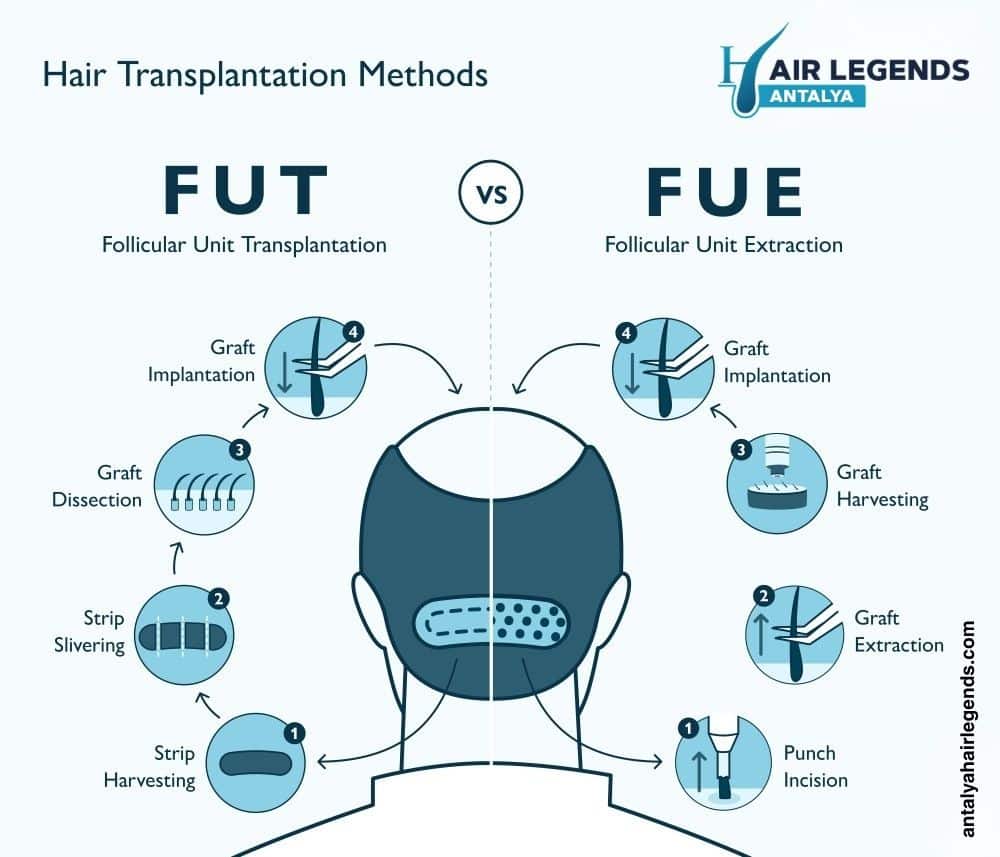
FUE Hair Transplant
The most common option would be an FUE Hair Transplant.
FUE, or Follicular Unit Extraction, involves removing individual follicular units from the donor area and implanting them into regions affected by hair loss.
Advantages Of FUE
- Minimal visible scarring
- Faster recovery compared to older techniques
- Natural-looking results
- Suitable for restoring hairlines and temples
- Ability to wear shorter hairstyles after healing
Because Ronnie’s hair loss was concentrated primarily around the frontal hairline, FUE would likely be an excellent option for achieving a natural restoration.
DHI Hair Transplant
Another potential option is DHI Hair Transplant, also known as Direct Hair Implantation.
DHI uses a specialised implantation pen that allows grafts to be implanted directly into the recipient area with precise control over angle, direction, and depth.
Benefits Of DHI
- High implantation precision
- Excellent control during hairline creation
- Potentially increased density in selected areas
- Less handling of grafts during implantation
Many patients seeking maximum hairline refinement choose DHI because of the control it provides when recreating natural hair growth patterns.
Sapphire FUE Hair Transplant
A variation of traditional FUE is Sapphire FUE.
This technique uses sapphire blades rather than conventional steel blades when creating recipient channels.
Benefits Of Sapphire FUE
- Smaller and more precise incisions
- Reduced tissue trauma
- Faster healing in many cases
- Dense packing capability
- Natural hairline design
For patients like Ronnie who require hairline reconstruction, Sapphire FUE can help create a refined and natural-looking outcome.
Which Technique Would Be Best For Ronnie?
Based on publicly available photographs, Ronnie appeared to be an ideal candidate for either FUE or DHI Hair Transplant procedures.
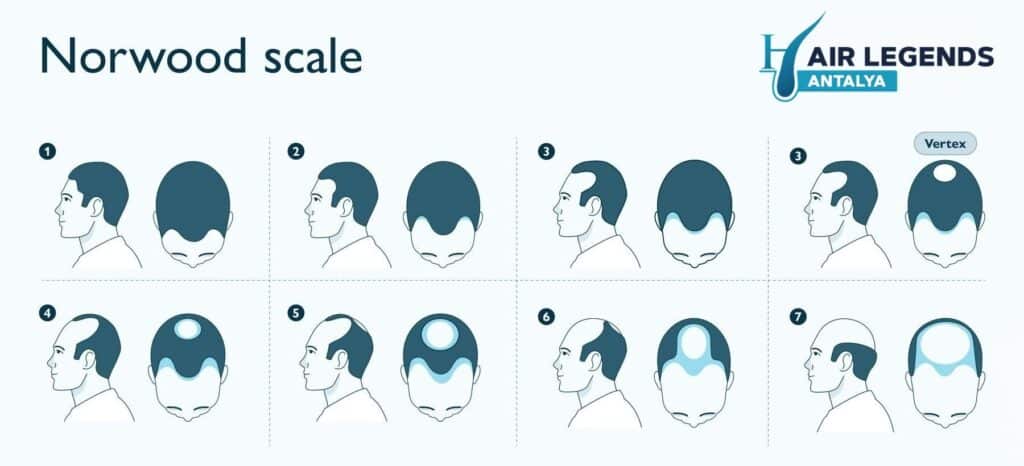
His characteristics included:
- Good donor hair availability
- Moderate hairline recession
- Limited crown involvement
- Strong potential for natural-looking restoration
The final choice would depend on factors such as desired density, surgical planning, and the recommendation of the treating doctor.
At clinics specialising in Hair Transplant in Antalya, patients with similar hair loss patterns frequently achieve excellent results through carefully planned FUE or DHI procedures. With an appropriate graft count and a naturally designed hairline, someone with Ronnie’s level of hair loss could realistically expect a fuller, younger-looking appearance while maintaining natural aesthetics for years to come.
Choosing A Surgeon-Led Clinic Matters
One of the most important lessons from celebrity hair transplant journeys such as Ronnie Vint’s is that the clinic you choose can be just as important as the procedure itself.
Many patients spend months researching graft numbers, techniques, and prices but often overlook the importance of surgeon involvement. While modern FUE and DHI techniques are widely available, the quality of the final result depends heavily on the planning, design, and execution of the procedure.
Why Surgeon Involvement Is So Important
A successful hair transplant is not simply about moving hair from one area to another. It requires careful assessment of facial proportions, donor management, future hair loss progression, and natural hairline design.
An experienced surgeon will evaluate:
- Current hair loss pattern
- Future risk of additional hair loss
- Donor area capacity
- Hair characteristics
- Facial symmetry
- Age-appropriate hairline placement
These factors help create a result that looks natural not only immediately after surgery but also years later.
Hairline Design Is An Art
The hairline is the most visible part of any hair transplant.
When viewers discussed Ronnie Vint’s hairline on television and social media, they were primarily reacting to the frontal frame of his face. Even small changes to the hairline can dramatically improve appearance and facial balance.
A surgeon-led approach focuses on:
Natural Irregularities
Natural hairlines are not perfectly straight. Strategic irregularities help create realism.
Proper Density Distribution
Dense packing at the front must blend naturally into existing hair behind the hairline.
Correct Hair Angles
Hair direction and angulation play a major role in creating a natural appearance.
Long-Term Planning
A hairline designed for a 25-year-old may not look appropriate when the patient reaches 40 or 50. Experienced surgeons take future ageing into consideration.
Avoiding Overharvesting
One of the biggest risks in hair transplantation is overharvesting the donor area.
The donor region contains a finite number of grafts. Removing too many follicles during a single procedure can create visible thinning and limit future treatment options.
Surgeon-led clinics prioritise donor preservation by:
- Extracting grafts evenly
- Maintaining donor density
- Planning for future hair loss
- Using conservative graft allocation strategies
This approach is especially important for younger patients who may require additional procedures later in life.
Why Many International Patients Choose Antalya
Antalya has become one of the leading destinations for hair restoration because patients can access high-quality medical care while benefiting from competitive pricing and comprehensive treatment packages.
Patients travelling for a Hair Transplant in Antalya often look for clinics that offer:
- Doctor-led consultations
- Personalised treatment planning
- Modern FUE and DHI techniques
- Dedicated aftercare support
- Limited daily patient numbers
- Natural hairline design philosophy
The best results are usually achieved when the procedure is tailored to the individual rather than performed using a one-size-fits-all approach.
The Hair Legends Approach
At Hair Legends Antalya, every hair transplant begins with a detailed assessment of the patient’s facial structure, donor capacity, and long-term goals.
The focus is not simply on achieving immediate density but on creating a natural and sustainable result that will continue to look appropriate for years to come.
For patients with hair loss patterns similar to Ronnie Vint’s, careful planning and surgeon involvement can make the difference between an average result and an exceptional one.
Ronnie Vint Hairline FAQs
Did Ronnie Vint Have A Hair Transplant?
Yes. Ronnie Vint publicly confirmed that he underwent a hair transplant procedure after years of relying on hair fibres to conceal his receding hairline. He later shared photographs documenting his treatment and recovery process.
What Type Of Hair Loss Does Ronnie Vint Have?
Based on publicly available photographs, Ronnie appeared to experience male pattern baldness, also known as androgenetic alopecia. His hair loss was most noticeable around the frontal hairline and temple regions.
How Many Grafts Did Ronnie Vint Need?
The exact number has not been publicly disclosed. However, hair restoration specialists estimate that patients with a similar level of hairline recession often require between 1,500 and 2,500 grafts to achieve natural-looking restoration.
Was Ronnie Vint Using Hair Fibres?
Yes. Ronnie openly admitted that he regularly used hair fibres before undergoing surgery. These products helped disguise thinning areas and create the appearance of greater density.
When Will Ronnie Vint See His Final Results?
Most hair transplant patients begin seeing new growth between three and six months after surgery. Significant improvements are typically visible by month nine, while final results usually develop between twelve and eighteen months.
Can A Receding Hairline Be Fixed Permanently?
In many cases, yes. Modern FUE and DHI Hair Transplant procedures can permanently restore hairline recession by transplanting genetically resistant hair follicles into affected areas.
Is Ronnie Vint A Good Candidate For Hair Transplant Surgery?
Based on his visible pattern of hair loss and apparent donor density, Ronnie appeared to be an excellent candidate for modern hair restoration procedures.
What Is The Best Hair Transplant Technique For Hairline Restoration?
Both FUE Hair Transplant and DHI Hair Transplant can produce outstanding hairline results when performed by experienced surgeons. The best technique depends on the patient’s goals, donor characteristics, and clinical assessment.
Why Do So Many Celebrities Get Hair Transplants?
Public figures are constantly exposed to cameras, social media, and public scrutiny. Hair transplantation provides a long-term solution that can improve confidence and restore a more youthful appearance.
Why Is Antalya Popular For Hair Transplants?
Antalya attracts thousands of international patients every year due to its experienced medical teams, modern clinics, affordable treatment options, luxury accommodation, and comprehensive hair transplant packages.
Can Hair Transplant Results Look Completely Natural?
Yes. When performed by skilled surgeons using modern techniques, hair transplant results can be virtually undetectable. Natural hairline design, correct graft placement, and proper density distribution are key factors in achieving realistic outcomes.