
Why People Think Hair Transplants Change Facial Shape
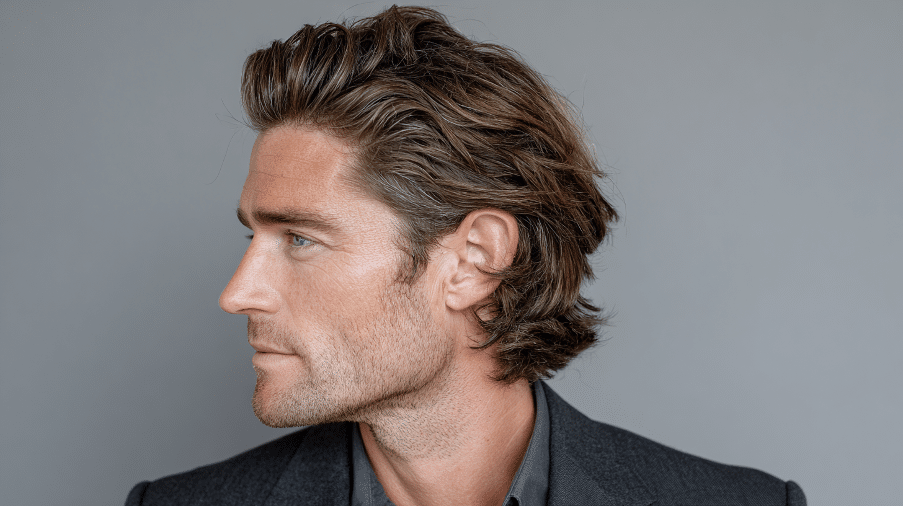
Many patients considering a hair restoration procedure ask an interesting question before treatment: Does a hair transplant change your facial shape? While a hair transplant does not physically alter the bone structure or anatomy of the face, it can dramatically change how the face is perceived. A restored hairline, improved density, and better facial framing often create the illusion of a more balanced, younger, and sharper appearance.
This is one of the reasons why before and after hair transplant transformations can sometimes look so dramatic. Patients often feel that their entire face looks different, even though the actual surgical procedure only affects the scalp and hairline area.
The Psychological Impact of Hair Restoration
Hair loss can strongly affect self-confidence and self-image. As the hairline recedes or density decreases, many people begin feeling older or less confident about their appearance.
After a successful hair transplant, patients often report:
- Increased confidence
- A younger appearance
- Improved self-esteem
- Better social comfort
Because confidence and facial expression are closely connected, restoring hair can psychologically make someone appear more energetic and attractive overall.
Why Fuller Hair Changes Overall Appearance
Hair plays a major role in framing the face. A fuller and properly designed hairline can create stronger facial balance and proportion.
For example, restoring lost frontal density may:
- Make the forehead appear smaller
- Improve facial symmetry
- Create a sharper facial frame
- Give a more youthful overall look
This visual improvement is why many people believe facial shape itself has changed after a hair transplant, even though the underlying facial structure remains the same.
Growing Interest in Hair Transplant Antalya Procedures
In recent years, Antalya has become an increasingly popular destination for patients seeking natural-looking hair restoration results. International patients are especially interested in procedures that focus on customized hairline design and facial harmony rather than simply transplanting the maximum number of grafts.
Modern clinics in Antalya increasingly prioritize:
- Natural hairline aesthetics
- Age-appropriate planning
- Facial proportion analysis
- Long-term appearance goals
As a result, many patients searching for Hair Transplant Antalya procedures are not only looking to restore hair but also improve their overall appearance in a natural and balanced way.
Can a Hair Transplant Really Change Your Face?
Technically, a hair transplant does not change the actual structure of your face. Your bone structure, jawline, cheeks, and facial anatomy remain the same. However, restoring hair can dramatically change the way your face looks overall. This is why many patients feel like they look like a completely different person after a successful procedure.
The biggest reason for this transformation is the relationship between the hairline and facial proportions. Since the hairline frames the upper part of the face, even small adjustments can significantly influence overall appearance.
Hairline Framing and Facial Balance
The hairline acts almost like a frame around the face. When hair loss progresses, the forehead often appears larger and facial balance changes.
A properly designed hairline can:
- Create stronger facial proportions
- Make the forehead appear more balanced
- Improve overall facial harmony
- Draw attention toward the eyes and facial features
This is why hair restoration often creates a fresher and more attractive appearance even without altering the actual face itself.
The Illusion of Facial Structure Changes
Many patients believe their jawline, forehead, or even facial shape changed after hair restoration. In reality, this is usually a visual illusion created by improved framing and density.
For example:
- A lower hairline may make the face appear shorter
- Increased density can make facial features appear sharper
- Balanced proportions may create a more symmetrical look
The brain naturally interprets these visual improvements as a change in facial structure, even though the underlying anatomy remains identical.
Why Patients Often Look Younger After Hair Transplant
Hair loss is strongly associated with aging. As density decreases and the hairline recedes, many people begin appearing older than they actually are.
A successful hair transplant can restore:
- Youthful facial framing
- Stronger density
- More defined hairline contours
- Better overall facial energy
This combination often makes patients appear several years younger. In many cases, the improvement is subtle but powerful enough to completely refresh overall appearance.
How Hairline Design Affects Facial Appearance
One of the most important factors determining whether a hair transplant looks natural is hairline design. A well-designed hairline does much more than simply restore lost hair. It directly influences facial aesthetics and overall harmony.
Experienced doctors do not create the same hairline for every patient. Instead, they analyze facial structure, age, forehead size, and long-term hair loss progression before planning the final design.
Importance of Natural Hairline Placement
Placing the hairline too low or too aggressively can create unnatural results. On the other hand, positioning it correctly can produce a balanced and realistic appearance.
A natural hairline should:
- Match facial proportions
- Follow natural asymmetry patterns
- Suit the patient’s age
- Preserve future donor capacity
The goal is not creating the lowest possible hairline. The goal is designing one that looks natural for many years.
Forehead Proportions and Facial Symmetry
The relationship between the forehead and the rest of the face plays a major role in aesthetics.
When the hairline recedes excessively:
- The forehead may appear disproportionately large
- Facial balance can become weaker
- Symmetry may visually decrease
Restoring the correct proportion between the forehead and facial features often creates a more attractive overall appearance.
This is one reason why many patients feel their face looks “better shaped” after hair restoration.
Masculine vs Mature Hairline Design
Not every patient should receive the same type of hairline.
Some individuals prefer:
- A stronger and lower youthful hairline
- A more mature and natural age-appropriate design
A masculine hairline typically appears flatter and stronger, while mature hairlines often maintain slight recession near the temples for a more natural appearance.
The best results usually come from designing a hairline that matches the patient’s facial structure and long-term aging process rather than chasing an artificially youthful look.
Does a Lower Hairline Make the Face Look Different?
Yes, a lower hairline can significantly change how the face appears visually. Even though the underlying facial structure does not physically change, the proportions of the face can look very different after restoring the frontal hairline. This is one of the main reasons why hair transplant transformations often appear so dramatic in before and after photos.
The relationship between the forehead, hairline, and facial features strongly influences overall facial harmony.
Effects on Forehead Size
One of the most noticeable effects of a lower hairline is the reduction in visible forehead size.
When hair loss progresses, the forehead often appears:
- Larger
- Longer
- More dominant in the facial profile
By restoring the hairline to a more balanced position, the forehead can appear proportionally smaller and more natural. This often creates a softer and younger overall appearance.
Visual Impact on Facial Proportions
Facial attractiveness is heavily connected to proportion and balance.
A properly positioned hairline can:
- Improve upper facial symmetry
- Create stronger facial framing
- Make facial features appear more balanced
- Enhance overall harmony between the forehead and lower face
Even subtle adjustments in hairline positioning can create a major visual difference.
This is why many patients say things like:
- “My face looks completely different.”
- “I look younger.”
- “My face looks more balanced now.”
Although technically the facial structure remains unchanged.
Common Mistakes With Overly Low Hairlines
Lower is not always better when designing a hairline.
One of the biggest mistakes in hair transplantation is creating an excessively low or aggressively straight hairline that does not match the patient’s natural proportions.
Overly low hairlines can:
- Look artificial
- Age poorly over time
- Use too many grafts unnecessarily
- Create unnatural facial balance
Experienced doctors focus on designing age-appropriate and natural hairlines rather than simply lowering the hairline as much as possible.
The best results are usually the ones that look natural and unnoticeable.
Can Hair Transplant Make the Face Look Younger?
One of the most common effects patients notice after hair restoration is a younger overall appearance. Although a hair transplant does not stop aging or physically tighten the skin, restoring lost hair can dramatically influence how old someone appears.
Hair loss is strongly associated with aging, especially when the hairline recedes significantly or the crown becomes visibly thin.
Age Perception After Hair Restoration
A fuller and healthier hairline often creates a more youthful appearance because it restores features commonly associated with younger facial aesthetics.
After a successful hair transplant, patients often appear:
- Fresher
- More energetic
- Healthier
- More youthful overall
Even moderate improvements in density can noticeably affect how others perceive age.
Confidence and Facial Expression Changes
The psychological effect of hair restoration also plays a major role.
Patients who regain confidence after treatment often:
- Smile more naturally
- Improve posture and body language
- Feel more socially comfortable
- Express themselves more confidently
These behavioral changes can indirectly make someone appear younger and more attractive.
In many cases, the emotional transformation becomes just as noticeable as the physical one.
Celebrity Hair Transplant Transformations
The growing popularity of hair transplantation among celebrities has also increased public awareness about how much hair restoration can influence appearance.
Many athletes, actors, and public figures appear noticeably younger after restoring their hairlines because fuller hair changes the overall framing of the face.
These celebrity transformations have helped many people realize that modern hair transplantation is no longer about obvious or unnatural results. With proper planning and natural hairline design, the goal is subtle improvement that enhances overall appearance without making the procedure obvious.
Facial Shape vs Facial Framing: Understanding the Difference
Many people confuse facial shape with facial framing when discussing hair transplants. In reality, these are two completely different concepts. A hair transplant does not physically reshape the face, but it can dramatically alter how the face is visually perceived by improving balance, proportions, and framing.
Understanding this difference helps explain why hair restoration procedures can create such powerful transformations without changing the actual facial anatomy.
Bone Structure Does Not Change
A hair transplant cannot change:
- Jaw structure
- Cheekbones
- Chin shape
- Skull structure
- Facial bones
These features remain exactly the same after the procedure.
Hair transplantation only affects the scalp and hairline area. However, because the hairline frames the upper face so strongly, the overall facial appearance can still look significantly different.
This is why many patients mistakenly feel like their “face changed” after treatment.
Hair Density Changes Facial Perception
Hair density plays a major role in how people perceive facial structure.
When density decreases because of hair loss:
- The forehead appears larger
- Facial balance weakens
- The upper face loses framing
- Features may appear less defined
Restoring density can reverse many of these visual effects.
A fuller hairline often creates:
- Better facial symmetry
- Sharper overall appearance
- More youthful framing
- Stronger contrast around facial features
The face itself does not physically change, but perception changes dramatically.
How Beard and Hair Combinations Affect Appearance
The combination of hair and beard styling can also strongly influence facial perception.
For example:
- A fuller beard can create a stronger jawline appearance
- A restored hairline can improve upper facial balance
- Combining both can create a more masculine and symmetrical look
This is why some patients who combine hair restoration with beard styling feel their face looks completely transformed afterward.
The effect comes from visual harmony rather than structural change.
How Different Hair Transplant Techniques Affect Appearance
Modern hair transplantation techniques are designed not only to restore hair but also to create natural-looking facial harmony. The chosen technique can influence density, hair direction, recovery, and overall aesthetic outcome.
FUE Hair Transplant Antalya
FUE (Follicular Unit Extraction) is one of the most popular hair restoration methods worldwide and is widely performed in Antalya.
This technique involves extracting individual grafts from the donor area and implanting them into thinning regions.
Advantages of FUE include:
- Natural-looking results
- Minimal visible scarring
- Faster recovery compared to older methods
- Flexible graft placement
When performed correctly, FUE can significantly improve facial framing while maintaining a natural appearance.
DHI Hair Transplant Antalya
DHI (Direct Hair Implantation) is another advanced technique increasingly popular among international patients traveling to Antalya.
DHI uses specialized implantation tools that allow greater control over:
- Hair angle
- Direction
- Density placement
This precision can help create highly refined and natural-looking hairlines, especially in frontal areas that strongly influence facial aesthetics.
Patients often choose DHI when seeking denser and more detailed hairline restoration.
Natural Density and Angle Planning
Regardless of the technique used, the most important factor is planning.
Natural results depend heavily on:
- Correct hair angles
- Proper density distribution
- Natural hairline irregularities
- Age-appropriate design
Even a technically successful transplant can look unnatural if the angle or direction is incorrect.
Experienced doctors focus not only on graft quantity but also on creating a result that blends naturally with the patient’s facial proportions and existing hair characteristics.
Why Natural Hairline Design Matters in Hair Transplant Antalya
One of the biggest factors determining whether a hair transplant looks successful is the quality of the hairline design. Even if thousands of grafts are implanted correctly, an unnatural hairline can immediately make the procedure noticeable.
This is why modern clinics in Antalya increasingly focus on personalized and natural-looking hairline planning rather than simply lowering the hairline aggressively.
A well-designed hairline should complement the patient’s face, age, and long-term hair loss pattern.
Customized Hairline Planning
Every face is different, which means every hairline should also be different.
Experienced doctors evaluate:
- Facial proportions
- Forehead size
- Existing hair characteristics
- Facial symmetry
- Future hair loss progression
before designing the final hairline.
Customized planning helps create a result that looks natural both immediately after recovery and years later.
Age Appropriate Hairline Design
One of the most common mistakes in hair transplantation is creating a hairline that looks too young for the patient.
A natural hairline should match:
- The patient’s age
- Facial structure
- Long-term appearance goals
For example, a mature patient often looks better with a slightly mature and softer hairline rather than an aggressively low teenage-style design.
Natural aging must always be considered during planning.
Avoiding Artificial Results
Artificial hair transplants are usually caused by poor design rather than the procedure itself.
Common signs of unnatural results include:
- Perfectly straight hairlines
- Overly dense frontal rows
- Incorrect angles
- Symmetrical and unnatural placement
Modern hair transplant planning focuses on subtle irregularities and natural density transitions because real hairlines are never perfectly uniform.
The best hair transplant is usually the one nobody notices.
Before and After Examples: How Hair Transplants Improve Facial Aesthetics
Before and after transformations often appear dramatic because restoring hair changes the visual framing of the face. While the facial structure itself remains unchanged, improving density and hairline balance can significantly improve overall aesthetics.
Temple Restoration Effects
Temple recession is one of the most important areas influencing facial shape perception.
When temples recede heavily:
- The forehead appears wider
- The face can look older
- Facial framing weakens
Restoring temple areas carefully can create:
- Better facial symmetry
- Softer transitions around the forehead
- Stronger upper facial balance
Even small temple improvements can significantly affect overall appearance.
Frontal Area Density Improvements
The frontal hairline is usually the most visible part of the scalp and has the strongest influence on facial aesthetics.
Increasing density in the frontal area often makes patients appear:
- Younger
- Healthier
- More energetic
- More attractive overall
Because the eyes and forehead become better framed, the entire face can appear more balanced after treatment.
Crown Restoration and Overall Balance
Although the crown area is less visible from the front, restoring crown density can still improve overall harmony.
Crown restoration may help:
- Create fuller overall scalp appearance
- Improve side and rear profile views
- Balance frontal and upper scalp density
However, experienced doctors usually prioritize frontal areas first because they create the greatest visual impact on facial appearance.
Can a Bad Hair Transplant Negatively Affect Facial Appearance?
Yes. Just as a well-planned hair transplant can improve overall appearance, a poorly executed procedure can negatively affect facial aesthetics and create unnatural results.
This is why doctor experience and planning are so important.
Straight Hairline Problems
One of the most common signs of a bad hair transplant is an unnaturally straight hairline.
Natural hairlines always contain:
- Small irregularities
- Soft transitions
- Slight asymmetry
Artificially straight hairlines often make the face look unnatural and immediately reveal that a hair transplant was performed.
Incorrect Graft Angles
Hair naturally grows at specific angles and directions.
If grafts are implanted incorrectly:
- Hair may stand upward unnaturally
- Styling becomes difficult
- Density may look artificial
- Facial framing appears less natural
Correct angle planning is essential for creating realistic and soft-looking results.
Overharvesting and Unnatural Density
Extracting too many grafts from the donor area can create visible thinning and imbalance.
Overharvesting may cause:
- Patchy donor appearance
- Thin-looking back and sides
- Uneven density distribution
Similarly, placing too much density aggressively in one area can create unnatural visual contrast.
The goal of a successful hair transplant is balance, not simply maximizing graft numbers.
Why Many International Patients Choose Hair Transplant Antalya
Over the last decade, Antalya has become one of the fastest-growing destinations for international hair transplant patients. While price remains an important factor, many people now choose Antalya because it offers a balance between affordability, medical quality, and overall patient experience.
Unlike the traditional image of medical tourism focused only on cheap procedures, modern clinics in Antalya increasingly emphasize natural results, doctor involvement, and personalized treatment planning.
Affordable Premium Clinics
One of the main reasons patients travel to Antalya is the opportunity to access premium-level treatment at significantly lower prices compared to countries such as the UK or the United States.
Patients often find that clinics in Antalya can provide:
- Modern medical facilities
- Advanced FUE and DHI techniques
- Personalized treatment planning
- Luxury accommodation packages
- Comprehensive aftercare support
while still remaining far more affordable than Western countries.
This combination of quality and cost efficiency makes Antalya highly attractive for international patients seeking long-term value rather than simply the cheapest option.
Doctor Led Procedures
Another important reason patients prefer Antalya is the growing number of clinics focusing on doctor-led procedures.
Experienced doctors play a critical role in:
- Hairline design
- Facial proportion analysis
- Channel opening
- Density planning
- Long-term aesthetic strategy
Patients increasingly understand that natural results depend heavily on proper planning and medical precision rather than only graft quantity.
This shift toward doctor involvement has significantly improved the reputation of premium clinics in Antalya.
Recovery Experience in Antalya
Recovery environment also influences the overall patient experience.
Unlike crowded metropolitan cities, Antalya offers:
- Mediterranean climate
- Relaxed atmosphere
- Coastal scenery
- Comfortable hotels
- Tourism opportunities during recovery
Many patients appreciate being able to combine treatment with a more comfortable and enjoyable travel experience.
For international visitors, this often makes the recovery process feel less stressful and more relaxing overall.
Psychological Benefits of Hair Restoration
Hair transplantation is not only a cosmetic procedure. For many patients, it also creates significant psychological and emotional improvements.
Hair loss can strongly influence self-image, confidence, and even social behavior. Restoring hair often affects much more than physical appearance alone.
Self Confidence Improvements
One of the most commonly reported benefits after hair restoration is increased confidence.
Patients frequently feel more comfortable with:
- Their appearance
- Social interactions
- Photos and public situations
- Personal relationships
Even moderate improvements in hair density can positively affect how someone sees themselves.
Social and Professional Confidence
Appearance can influence confidence in both social and professional environments.
Many patients report feeling:
- More confident during meetings
- More comfortable speaking publicly
- More socially active
- More positive overall
Although a hair transplant does not change personality, improving appearance often reduces self-consciousness connected to hair loss.
Mental Impact of Looking Younger
Hair loss is closely associated with aging in many cultures.
Restoring a fuller hairline and improving density can create a younger and healthier appearance, which may positively affect mental well-being.
Patients often describe feeling:
- More energetic
- More refreshed
- More motivated
- More positive about their appearance
The psychological effect of seeing a younger-looking version of themselves can sometimes become just as important as the physical transformation itself.
Who Is a Good Candidate for Facial Framing Hair Restoration?
Not every patient seeks hair restoration only to regain density. Many people are specifically interested in improving facial framing and overall appearance in a natural way. Since the hairline strongly influences facial balance, restoring lost hair can significantly enhance overall aesthetics when planned correctly.
The best candidates are usually individuals whose hair loss has visibly affected facial proportions and upper facial harmony.
Patients With Receding Hairlines
Patients experiencing frontal recession are among the most suitable candidates for facial-framing hair restoration.
As the hairline moves backward:
- The forehead appears larger
- Facial balance weakens
- The upper face loses definition
Restoring the frontal hairline can create stronger facial symmetry and a younger-looking appearance without changing the actual facial structure.
Patients With Large Foreheads
Some individuals naturally have larger foreheads even without severe hair loss. Others develop the appearance of a larger forehead because of recession over time.
A carefully designed hairline can:
- Improve forehead proportions
- Create better facial balance
- Frame the eyes and upper face more naturally
However, lowering the hairline too aggressively can create unnatural results. Proper planning is essential.
Patients Seeking Natural Rejuvenation
Many patients do not want dramatic cosmetic changes. Instead, they simply want to look:
- Younger
- Fresher
- Healthier
- More confident
Natural hair restoration can subtly rejuvenate overall appearance while still looking realistic and age appropriate.
This is why modern hair transplantation increasingly focuses on facial harmony rather than only maximizing graft numbers.
Frequently Asked Questions About Facial Shape After Hair Transplant
Does Hair Transplant Change Bone Structure?
No. A hair transplant does not alter the skull, jawline, cheekbones, or any facial bone structure. The procedure only affects the scalp and hairline area. However, improving facial framing can create the illusion that the face itself has changed.
Can a Hair Transplant Make Me Look Younger?
Yes, many patients appear younger after restoring hair density and improving the hairline. Since hair loss is strongly associated with aging, restoring a fuller hairline often creates a fresher and more youthful appearance.
Will Lowering the Hairline Affect My Face Shape?
Lowering the hairline can visually affect facial proportions and overall balance. A properly designed hairline may make the forehead appear smaller and improve facial harmony. However, overly aggressive lowering can create unnatural results.
How Natural Are Hair Transplant Antalya Results?
Modern clinics in Antalya increasingly focus on natural hairline design, correct graft angles, and personalized planning. When performed by experienced doctors, Hair Transplant Antalya procedures can produce highly natural-looking and age-appropriate results.
Conclusion: Does Hair Transplant Really Change Facial Shape?
A hair transplant does not physically change facial anatomy or bone structure. However, it can dramatically change how the face is visually perceived by improving framing, proportions, and overall balance.
The hairline plays a major role in facial aesthetics. Restoring density and creating a natural hairline can make patients appear:
- Younger
- More balanced
- More confident
- More refreshed overall
This is why so many patients feel like their face changed after hair restoration even though the underlying structure remained the same.
The most successful results come from natural and personalized planning rather than aggressively lowering the hairline or maximizing graft numbers. Modern hair transplantation is no longer only about replacing lost hair. It is increasingly about improving overall facial harmony in a subtle and realistic way.
For patients seeking natural rejuvenation and long-term aesthetic improvement, experienced clinics in Antalya continue to attract growing international interest because of their focus on facial balance, doctor-led planning, and natural-looking results.