
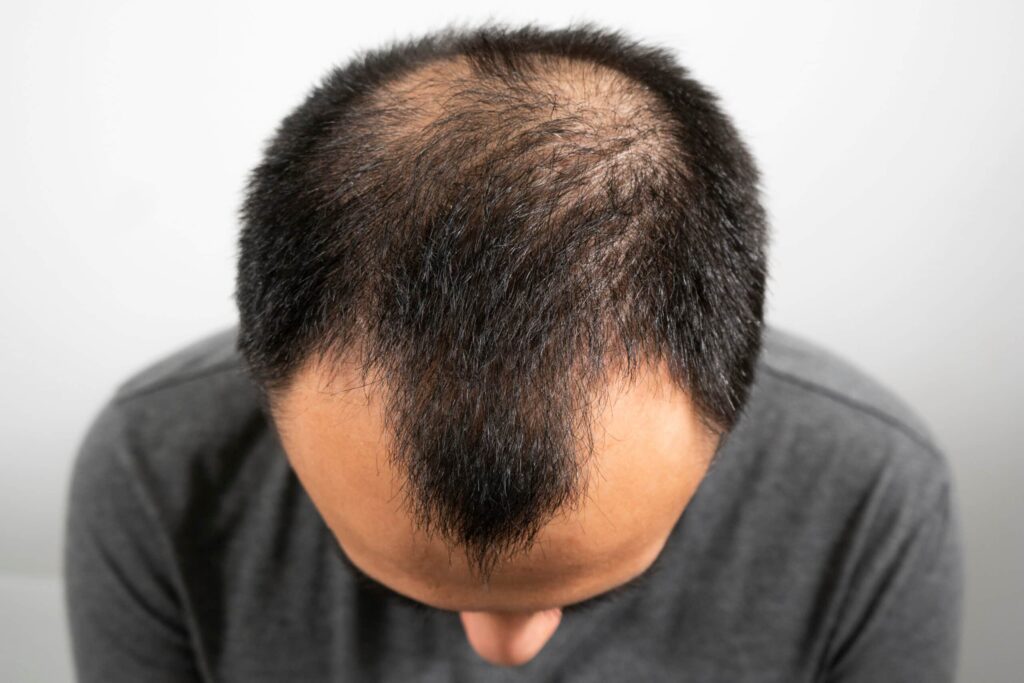
Why Is My Hair So Thin I Can See My Scalp?: Hair thinning is one of the most common concerns patients bring to our clinic. Many people describe the exact same feeling: “My hair is so thin, I can see my scalp in the mirror—am I going bald?” This thought can cause anxiety and lower self-confidence. The good news is that visible scalp through thinning hair is not always permanent, and even if it is, modern medicine offers solutions.
At Hair Legends Antalya, we meet international patients daily who experience the same concern. With treatments ranging from PRP therapy to exosome stem cell solutions and advanced FUE & DHI hair transplant techniques, we restore both density and confidence.
This comprehensive guide will explain:
- Why your hair is thinning,
- How to know if it’s temporary shedding or permanent loss,
- The latest solutions available in Antalya,
- Lifestyle changes that protect hair health.
Why Is My Hair So Thin I Can See My Scalp?
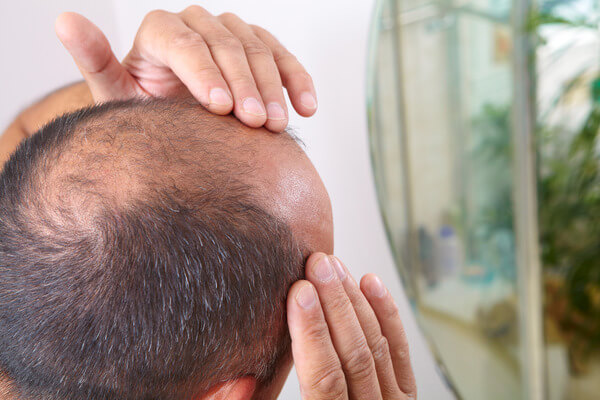
Seeing your scalp through your hair can feel like a shock. While some scalp visibility is natural (especially under bright lights or when wet), increased visibility usually signals thinning. Causes can be temporary (stress, nutrition, illness) or progressive (genetics). Identifying which applies to you determines the right treatment path.
Common Causes of Hair Thinning
1. Genetic Hair Loss (Androgenetic Alopecia)
- The most frequent cause, especially in men.
- Triggered by sensitivity to DHT (dihydrotestosterone), which shrinks follicles.
- Men: typically start with a receding hairline or crown bald spot (classified by the Norwood scale).
- Women: usually experience diffuse thinning (classified by the Ludwig scale).
2. Hormonal Imbalances
- Thyroid disorders (hypo- or hyperthyroidism).
- Post-pregnancy shedding (postpartum telogen effluvium).
- Menopause → estrogen decline leading to miniaturized hair follicles.
3. Nutritional Deficiencies
- Iron-deficiency anemia, vitamin D deficiency, or lack of zinc/biotin.
- Low protein diets affect keratin production.
- Extreme dieting → sudden diffuse shedding.
4. Stress & Lifestyle
- High stress pushes follicles into the telogen (resting) phase, leading to sudden shedding.
- Sleep deprivation and smoking accelerate follicle aging.
5. Medical Conditions & Medications
- Autoimmune disorders (Alopecia Areata).
- PCOS (Polycystic Ovary Syndrome) in women.
- Chemotherapy, beta-blockers, antidepressants as side effects.
6. Hair Care Mistakes
- Chemical overuse (bleach, dyes, perms).
- Constant heat styling without protection.
- Tight hairstyles → traction alopecia.
How to Tell If You Are Balding or Just Shedding
- Shedding vs. Thinning: Losing 50–100 hairs/day = normal. Continuous shedding + thinner hair shafts = balding.
- Pattern: Receding temples, crown bald spots → genetic. Diffuse thinning = stress/nutrition.
- Scalp Visibility: If scalp is clearly seen under normal light, density has dropped below 80 hairs/cm².
- Family History: Strong predictor, especially in men.
- Clinical Check: At Hair Legends Antalya, we use digital trichoscopy to measure follicle miniaturization.
Solutions for Thinning Hair
1. Lifestyle & Nutrition
- Eat protein-rich foods (fish, eggs, lean meats).
- Include leafy greens, nuts, and seeds for micronutrients.
- Hydrate and reduce alcohol.
- Practice stress management: exercise, meditation, proper sleep.
2. Topical & Medical Treatments
- Minoxidil: Stimulates follicles, improves density. Works best in early stages.
- Finasteride (men only): DHT-blocker, slows genetic balding.
- Ketoconazole shampoos: Reduce scalp inflammation.
3. PRP Therapy in Antalya
- Patient’s own blood is processed to concentrate platelets.
- Injected into thinning areas to release growth factors.
- Strengthens weak follicles, increases thickness.
- Requires 3–4 sessions for best results.
4. Exosome Stem Cell Therapy in Antalya
- One of the latest regenerative methods.
- Exosomes (tiny vesicles derived from stem cells) deliver signals to dormant follicles.
- Stimulates repair, reduces inflammation, and improves density.
- 2–3 sessions often produce noticeable results.
5. Hair Transplant in Antalya (FUE & DHI)
- Sapphire FUE: Follicles extracted and transplanted with sapphire blades → minimal scarring, natural density.
- DHI (Direct Hair Implantation): Uses Choi Implanter Pen → no need to open channels separately.
- Ideal when miniaturized follicles no longer regrow.
- Provides permanent restoration of hair density.
FUE vs. DHI: Which to Choose?
| Feature | Sapphire FUE | DHI |
|---|---|---|
| Incision | Sapphire blade | No pre-incision (Choi Pen) |
| Density | High | Very High |
| Recovery | 7–10 days | Slightly faster |
| Cost | Lower | Higher |
| Ideal For | Large bald areas | Front hairline, eyebrows, beard |
Lifestyle & Daily Care for Thinning Hair
- Shampoo Choice: Use sulfate-free, mild cleansers. Avoid harsh chemicals.
- Scalp Massage: Improves blood flow, strengthens follicles.
- Sun Protection: In Antalya’s sunny climate, UV rays damage follicles—wear a hat.
- Avoid Over-Styling: Limit heat tools, relax tight hairstyles.
Case Study: A Patient from the UK
John, a 34-year-old patient from London, visited Hair Legends Antalya after noticing increasing scalp visibility. Diagnosis: early androgenetic alopecia (Norwood stage 3).
- Treatment Plan: 2 PRP sessions + DHI hair transplant (3,200 grafts).
- Results: After 9 months, John reported significantly improved density and natural hairline.
- Patient Feedback: “I used to be afraid to look in the mirror. Now, I feel like myself again. Antalya was the perfect choice—affordable, professional, and welcoming.”
Why Antalya Is the Best Destination for Hair Restoration
- Clinics like Hair Legends combine medical expertise with tourism infrastructure.
- Affordable packages: transplant + hotel + transfer.
- English, German, French, Spanish speaking coordinators.
- Modern facilities with international standards.
Why Choose Hair Legends Antalya
- Specialized team with years of international experience.
- Full range: FUE, DHI, eyebrow & beard transplants, PRP, exosomes.
- VIP services: hotel, airport transfer, personal assistant.
- Free online consultation with graft calculation.
Extended FAQ
Q: Is it normal to see my scalp when hair is wet?
Yes, wet hair clumps together, making the scalp more visible. If scalp is visible when dry, density is reduced.
Q: Can thin hair become thick again?
Yes, if caused by temporary issues (stress, diet, hormones). Genetic thinning requires medical treatment or transplant.
Q: How do I stop my scalp from showing?
Early intervention: PRP, exosomes, or transplantation depending on severity.
Q: How many grafts do I need if my scalp is visible?
Typically 2,500–4,000 grafts for moderate thinning. A consultation is necessary.
Q: Does a hair transplant hurt?
Local anesthesia makes the procedure virtually painless. Mild soreness disappears in 2–3 days.
Q: Do women also get hair transplants?
Yes, women benefit from density transplants, hairline lowering, or post-pregnancy thinning correction.
Q: How long until I see results?
- PRP/Exosome: 3–6 months.
- Hair Transplant: Full results in 9–12 months.
Q: Will transplanted hair fall out?
Transplanted follicles are permanent—they resist DHT and last a lifetime.
Conclusion
Thinning hair and visible scalp can feel like the first step to baldness, but modern solutions mean you are not helpless. Whether your condition is temporary or genetic, treatments exist that restore volume, density, and confidence.
At Hair Legends Antalya, we offer a complete solution: from nutritional advice, PRP, exosome therapy, to advanced Sapphire FUE and DHI transplants.
📩 Contact us today for your free online consultation and take the first step toward thicker, healthier hair.w