
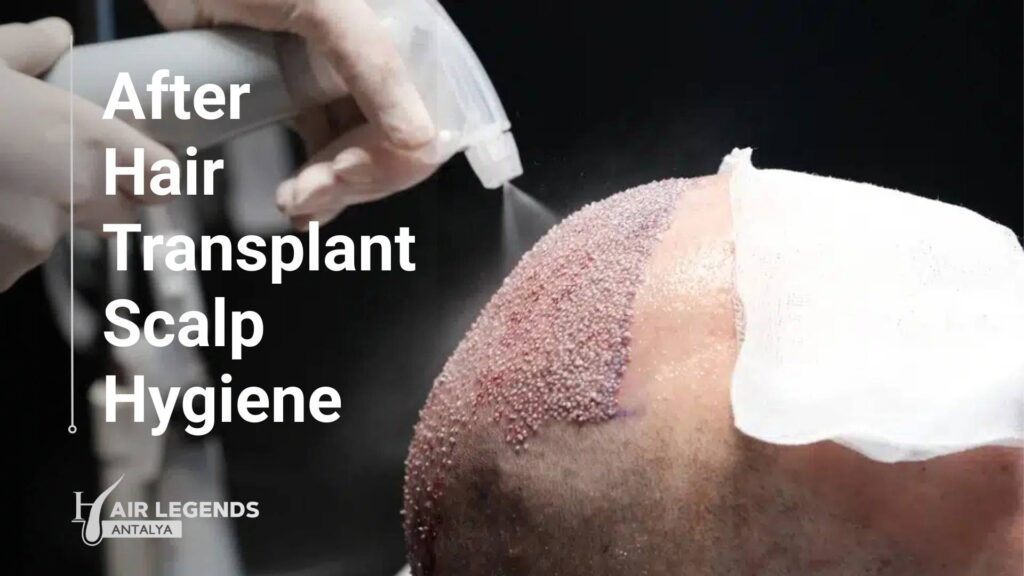
A hair transplant is not just a surgical procedure; it is the beginning of a long journey toward achieving natural, healthy, and permanent hair growth. One of the most overlooked yet critical factors influencing the success of this journey is scalp hygiene after a hair transplant.
Maintaining a clean and healthy scalp ensures that newly transplanted grafts remain undisturbed, heal correctly, and integrate seamlessly with the surrounding tissue. Poor hygiene, on the other hand, can lead to infections, scab buildup, excessive itching, or even graft failure.
In leading medical tourism destinations such as Antalya, Turkey, hair transplant clinics place significant emphasis on post-operative hygiene education. Clinics here understand that the surgery itself only accounts for half of the results the other half depends on how well patients care for their scalp during the recovery phase.
Immediate Post-Op Scalp Condition
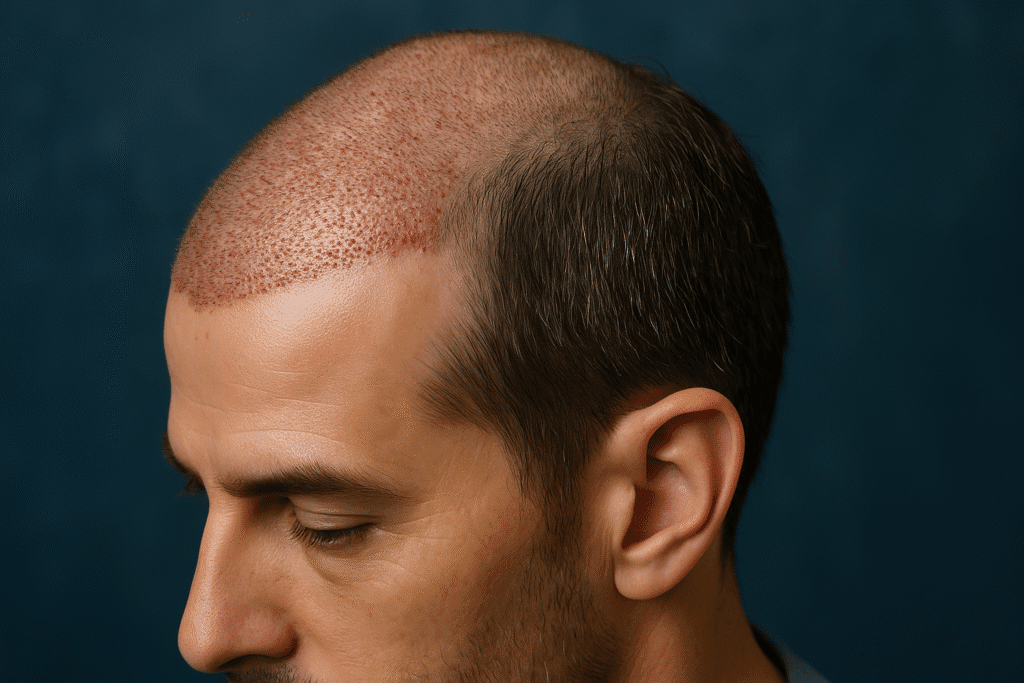
Immediately after a transplant, the scalp is in a delicate and vulnerable state. The recipient area often appears red and swollen, while tiny scabs form around the implanted grafts. The donor area may also have small wounds, especially if the procedure involved FUE (Follicular Unit Extraction) or Sapphire FUE.
Patients should not panic if they see:
- Light bleeding or oozing in the first 24 hours.
- Formation of scabs around grafts.
- Swelling on the forehead or temples.
- Itching as the healing process begins.
These are normal post-operative responses. However, without proper hygiene, these conditions can worsen into bacterial infections, severe irritation, or delayed healing. Antalya clinics typically provide medical kits that include saline sprays, special shampoos, and detailed instructions for the first few days.
How to Wash Your Scalp Properly After Hair Transplant
Washing is one of the most important aspects of scalp hygiene. Done incorrectly, it can dislodge grafts; done correctly, it accelerates healing and ensures a clean environment.
Step-by-step scalp washing protocol:
- First 48 hours: No washing. Patients are usually advised to let the scalp rest.
- Day 3–4 onward: Begin gentle washing with clinic-provided shampoo.
- Application method:
- Mix shampoo with lukewarm water in a cup.
- Pour gently over the scalp without direct rubbing.
- Use fingertips only on donor areas; avoid scratching recipient sites.
- Rinsing: Rinse with a cup of lukewarm water. Never use high-pressure shower streams.
- Drying: Pat gently with a soft paper towel. Avoid rubbing or hairdryers.
In Antalya’s specialized clinics, patients often receive their first wash in the clinic, guided by professionals. This ensures they learn proper technique before continuing at home or in their hotel.
What to Avoid During the Healing Process
In addition to proper cleaning, patients must avoid behaviors that compromise scalp hygiene and graft survival.
- No scratching or picking at scabs — this can dislodge grafts.
- Avoid exposure to dust, smoke, and pollution — Antalya’s climate is warm, so staying indoors in air-conditioned environments during early days helps.
- No swimming pools or saunas for at least one month — chlorinated and hot environments can infect or weaken grafts.
- Avoid harsh shampoos and oils — stick to medical-grade, pH-balanced products.
- Don’t use helmets, hats, or tight headwear until the clinic approves.
Patients in Antalya are typically given customized aftercare kits so they don’t have to shop around for safe products.
Signs of Poor Scalp Hygiene and How to React
Poor hygiene can manifest in several ways. Patients should monitor their scalp carefully and know when to contact their clinic.
Warning signs include:
- Persistent foul odor from the scalp.
- Yellow or green pus discharge.
- Redness spreading beyond recipient sites.
- Severe itching combined with flaking.
- Sudden loss of multiple grafts with scabs attached.
If any of these symptoms appear, immediate medical consultation is necessary. Clinics in Antalya usually provide 24/7 patient support lines where individuals can send photos and receive guidance. Early intervention often prevents complications.
Long Term Hygiene Habits After Transplant Recovery
Once the critical first 2–3 weeks have passed, scalp hygiene enters a long-term maintenance phase. This is just as important because newly transplanted hair continues to mature for 12–18 months.
Recommended habits:
- Wash 3–4 times a week with mild, sulfate-free shampoos.
- Exfoliate the scalp occasionally (after 3 months) to prevent buildup.
- Moisturize if dryness occurs, particularly in Antalya’s sunny climate.
- Protect the scalp from direct UV rays by using sunscreen sprays after complete healing.
- Continue avoiding very harsh chemicals.
Antalya’s humid Mediterranean environment makes scalp sweat more common, so patients are often reminded to wash regularly without over-drying the scalp.
How Clinics Guide Patients on Hygiene Protocols
One of the biggest advantages of having a hair transplant in Antalya is the structured aftercare provided by clinics. Patients often receive:
- Personalized hygiene kits with shampoo, lotion, saline spray, and aftercare instructions.
- Video demonstrations showing the proper washing technique.
- Follow-up visits where scalp hygiene is checked.
- WhatsApp or online consultations, allowing patients to send recovery photos for professional review.
This high level of support ensures patients follow correct hygiene practices, which significantly impacts results.
Hair Implantation in Antalya
Antalya has become a global hub for hair implantation because it combines affordability, skilled surgeons, and top-tier aftercare. Hygiene is one of the pillars of this success.
Unlike some destinations where patients are left alone after surgery, Antalya clinics offer:
- Free airport transfers to ensure a safe journey.
- Hotel accommodations designed with post-op comfort in mind.
- On-site nurses who handle the first washes.
- Patient translators to explain hygiene routines clearly.
By choosing Antalya, patients not only save money compared to Western countries but also receive superior guidance on critical elements such as scalp hygiene.
Hygiene Considerations for Women After Hair Transplant
Women undergoing hair transplantation face unique hygiene challenges. Unlike men, they often have longer hair that requires more careful cleaning to avoid tangling and tugging on grafts.
Key considerations:
- Diluted shampoo should be applied in sections to prevent tugging.
- Women should avoid hairbands, ponytails, or clips until healing is complete.
- Dry shampoo or styling sprays should be avoided in the first month.
- Since many women color their hair, clinics in Antalya recommend waiting at least 8 weeks before using dyes.
Antalya specialists tailor hygiene routines for female patients, making sure recovery is smooth and aesthetic goals are met.
Post-Op Hygiene for Different Techniques
Not all transplants require identical hygiene protocols. The method used influences aftercare.
- FUE (Follicular Unit Extraction):
- Small wounds across donor and recipient sites.
- Requires gentle cleansing to avoid dislodging scabs.
- Sapphire FUE:
- Uses sapphire blades, creating smaller incisions.
- Faster healing, but still needs delicate washing.
- DHI (Direct Hair Implantation):
- Hair follicles implanted directly without channel creation.
- Lower trauma means slightly easier aftercare, but hygiene remains essential.
Clinics in Antalya are experienced in all techniques, and they provide detailed, technique-specific hygiene instructions.
Visual Tracking and Recovery Monitoring
Patients often feel unsure if their scalp hygiene practices are correct. To address this, many clinics in Antalya encourage visual tracking:
- Patients take daily or weekly photos of their scalp.
- These photos are compared against clinic-provided recovery timelines.
- Digital check-ins allow doctors to confirm that hygiene is being maintained.
This monitoring not only reassures patients but also ensures early detection of any hygiene-related issues.
Conclusion
Scalp hygiene after a hair transplant is one of the most decisive factors in achieving natural, permanent results. From the moment the procedure is completed, the patient’s responsibility begins.
Proper washing techniques, avoiding harmful habits, and maintaining long-term care all play vital roles in protecting delicate grafts. Neglecting hygiene can lead to infections, delayed recovery, or compromised results.
By choosing Antalya for hair implantation, patients gain access to expert medical teams who provide not only world-class surgical skills but also comprehensive aftercare and hygiene education. From personalized hygiene kits to visual monitoring and round-the-clock support, Antalya clinics ensure every patient knows exactly how to keep their scalp clean and healthy.
For both men and women, and across different hair types and transplant techniques, maintaining scalp hygiene is non-negotiable. It’s the bridge between surgery and success.
If you’re planning a hair transplant, remember: the road to natural results doesn’t end in the operating room it continues every time you wash and care for your scalp.