
The Importance of Anesthesia in Hair Restoration
Types of Anesthesia for Hair Transplant Surgery: Hair transplantation has revolutionized the world of hair restoration, offering permanent and natural-looking solutions to hair loss. But while the surgery itself is highly effective, there’s an often-overlooked component that’s crucial for the success of the procedure: anesthesia. The role of anesthesia in hair transplant surgery goes far beyond simply “numbing” the area. It ensures the patient’s comfort, safety, and overall satisfaction throughout the procedure.
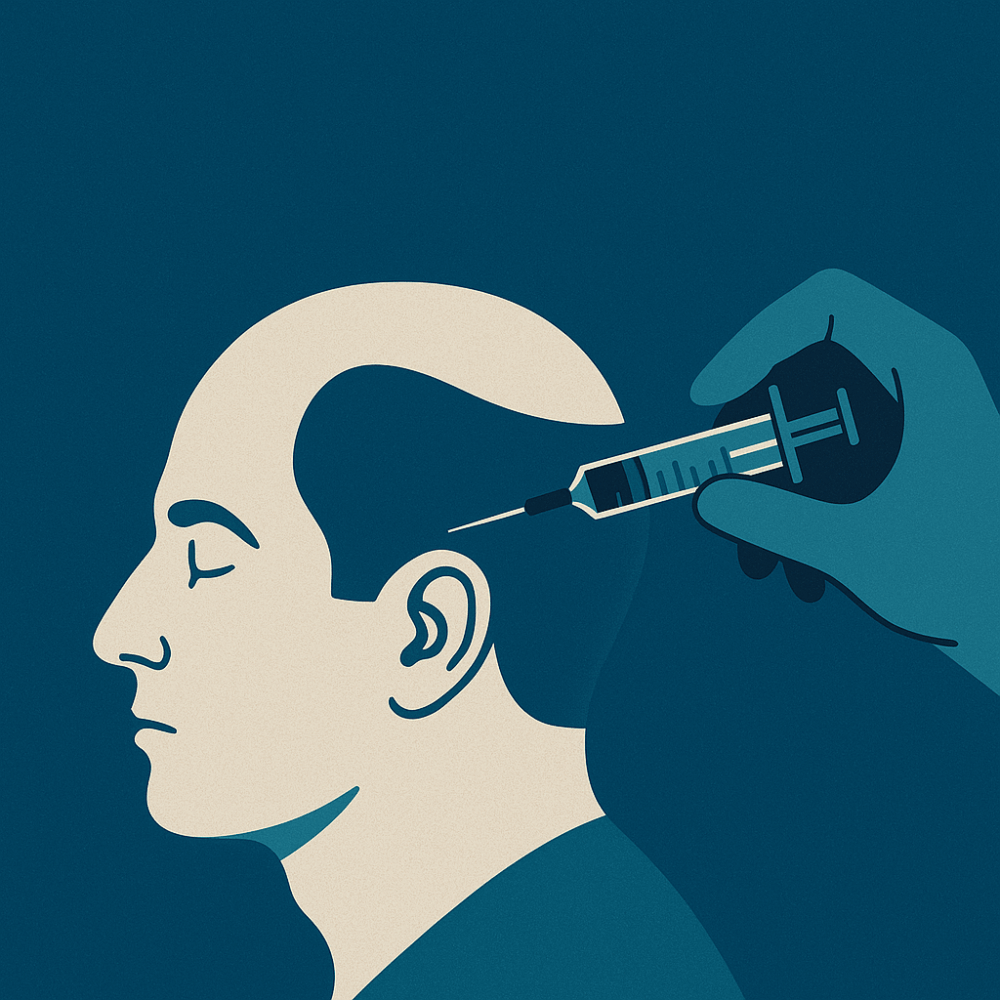
When it comes to hair transplant surgery, the idea of having thousands of tiny grafts harvested and transplanted might sound daunting. However, thanks to modern anesthesia techniques, the entire experience is virtually pain-free. Let’s take a closer look at how anesthesia works in hair transplant surgery, the different options available, and how it ensures both comfort and success.
Local Anesthesia: The Gold Standard in Hair Transplantation
In the world of hair transplantation, local anesthesia stands out as the gold standard. Unlike general anesthesia, which puts patients completely to sleep, local anesthesia works by numbing only the specific areas where the hair transplant takes place. This allows patients to remain awake and alert, while still feeling no pain in the donor or recipient sites.
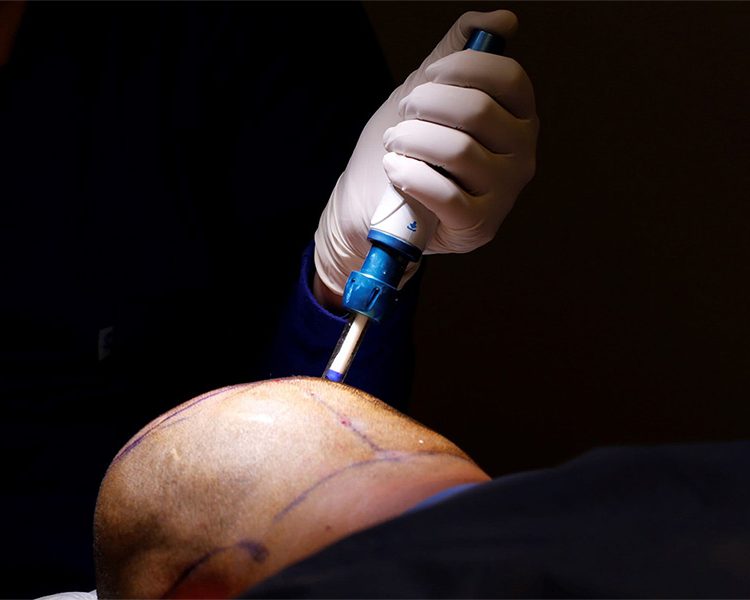
The most commonly used local anesthetics in hair transplants include lidocaine and bupivacaine. These medications are injected directly into the scalp before the surgery begins. Here’s why local anesthesia is so widely favored in hair restoration:
✅ High Safety Profile: Local anesthesia carries minimal risks compared to general anesthesia, making it suitable for a wide range of patients, even those with certain medical conditions.
✅ Rapid Onset: Patients begin to feel numbness within minutes of administration, allowing the surgeon to start the procedure quickly.
✅ Long-Lasting Effect: Local anesthetics can provide pain relief for several hours, covering the entire duration of a typical hair transplant session.
✅ Minimal Recovery Time: Since patients are awake during the procedure, there’s no groggy feeling or lengthy recovery associated with general anesthesia.
The surgeon will typically start by applying a topical numbing cream, followed by injections of the anesthetic directly into the donor and recipient areas. Once the area is fully numb, the hair transplant process—whether it’s FUE (Follicular Unit Extraction) or FUT (Follicular Unit Transplantation)—can proceed without discomfort.
Addressing Pain and Discomfort: Beyond the Numbing
One of the biggest concerns for patients considering hair transplant surgery is the potential pain involved. Thankfully, with modern local anesthesia techniques, pain is effectively managed from start to finish. However, it’s important to understand that anesthesia does more than just eliminate pain.
During a hair transplant:
- Numbness is maintained throughout: The local anesthetic ensures that even though the patient is awake, they won’t feel any of the harvesting or implantation work.
- Sedation can be an option: While not always necessary, some patients may opt for mild sedation to help them relax. This is usually done through oral medication or an IV drip, depending on the clinic’s protocol.
- Communication remains open: Patients can still talk to the surgeon and medical team throughout the procedure. If any discomfort arises, the surgeon can adjust the anesthesia as needed.
In some cases, patients may feel slight pressure or pulling sensations, especially during graft extraction in FUE. However, this is generally well-tolerated and doesn’t cause pain. Clinics that specialize in hair restoration have refined their techniques to make the entire process as smooth and comfortable as possible.
Other Anesthesia Options and Considerations
While local anesthesia is the standard choice for hair transplantation, other anesthesia options do exist and may be considered based on patient preferences, medical history, and the complexity of the surgery.
- Sedation (Conscious Sedation):
For patients who feel particularly anxious or have a fear of medical procedures, sedation can be used in combination with local anesthesia. This light sedation—often referred to as “twilight sedation”—doesn’t render the patient completely unconscious but induces a deep state of relaxation.- Advantages: Reduces anxiety, helps the patient stay calm.
- Considerations: Requires careful monitoring of vital signs throughout the procedure.
- General Anesthesia:
Rarely used in hair transplant surgeries, general anesthesia involves putting the patient into a deep sleep. While this is standard in major surgeries, it’s generally not necessary for hair transplantation because it increases the complexity, cost, and risks of the procedure.- When it’s used: In very rare cases where extensive surgery is needed or if the patient has an extreme phobia of being awake during the procedure.
- Regional Nerve Blocks:
In some advanced clinics, nerve blocks targeting specific nerves in the scalp can be used to achieve longer-lasting anesthesia. However, this is typically reserved for special cases and is not standard practice.
Key Statistics and Success Rates
Anesthesia in hair transplantation is not only about patient comfort—it also has a direct impact on surgical outcomes. Here’s what studies and clinical experience show:
- Patient Satisfaction Rates:
Over 90% of patients report minimal pain and high comfort during and after the procedure when local anesthesia is used. - Complication Rates:
Serious complications from local anesthesia in hair transplants are extremely rare, estimated at less than 0.1%. Most side effects, like temporary swelling or mild redness, resolve within days. - Surgery Success Rates:
Effective anesthesia allows surgeons to work with precision and care, directly contributing to the high success rates (above 95%) commonly reported for hair transplants.
These statistics highlight that anesthesia isn’t just a “side note” in hair transplantation—it’s a central part of making the entire process safe, smooth, and successful.
Frequently Asked Questions About Hair Transplant Anesthesia
1. Is hair transplant surgery painful?
Not at all! With proper local anesthesia, patients feel no pain during the procedure.
2. Will I be awake during the surgery?
Yes, patients are typically awake and can communicate with the medical team throughout the procedure.
3. How long does the anesthesia last?
The effects of local anesthesia last several hours—long enough for the entire hair transplant session.
4. Are there any side effects of local anesthesia?
Mild swelling or redness can occur around the injection sites, but these effects are temporary and usually resolve within a few days.
5. Do I need to fast before the procedure?
Since hair transplant surgery is usually done under local anesthesia, there’s generally no need to fast. Your clinic will provide specific instructions.
6. Can I drive myself home after the procedure?
Yes, since you’re not under general anesthesia, you’re typically able to leave the clinic and resume normal activities soon after.
7. Is sedation always necessary?
No, sedation is optional and only used for patients who request it or need extra relaxation.
8. What if I’m allergic to anesthesia?
Allergy to local anesthesia is extremely rare. Your surgeon will take a detailed medical history and may do a skin test if there are concerns.
9. Can I choose the type of anesthesia?
Your surgeon will recommend the best option based on your health and preferences, but you’ll have a chance to discuss your comfort level and any concerns beforehand.
10. Will I feel anything during the procedure?
You might feel some pressure or slight tugging, but you won’t feel any pain thanks to the numbing effect of the anesthesia.
Making an Informed Decision: Your Anesthesia Choice
Choosing the right anesthesia for your hair transplant surgery is a key part of preparing for the procedure. During your consultation, your surgeon will explain:
- Your medical history: To ensure no allergies or underlying conditions could interfere with anesthesia.
- Your comfort preferences: Whether you’d prefer to be fully awake or lightly sedated.
- The procedure specifics: Including how long the session will take and how the anesthesia will be administered.
Ultimately, local anesthesia remains the preferred choice for hair transplants because it balances safety, effectiveness, and patient comfort. Clinics that specialize in hair restoration have honed their anesthesia protocols to ensure every patient has a positive experience—free from pain and full of confidence in their new look.
Final Thoughts
Anesthesia might not be the first thing you think of when considering hair transplant surgery, but it’s one of the most important elements of a successful procedure. Thanks to modern local anesthetic techniques and the expertise of skilled medical teams, you can look forward to a safe, comfortable, and effective hair restoration experience.
Whether you’re considering a FUE or FUT hair transplant, knowing the role of anesthesia will help you feel more prepared and confident on your hair restoration journey. If you have any concerns or questions about anesthesia, don’t hesitate to reach out to your surgeon—they’re there to guide you every step of the way.